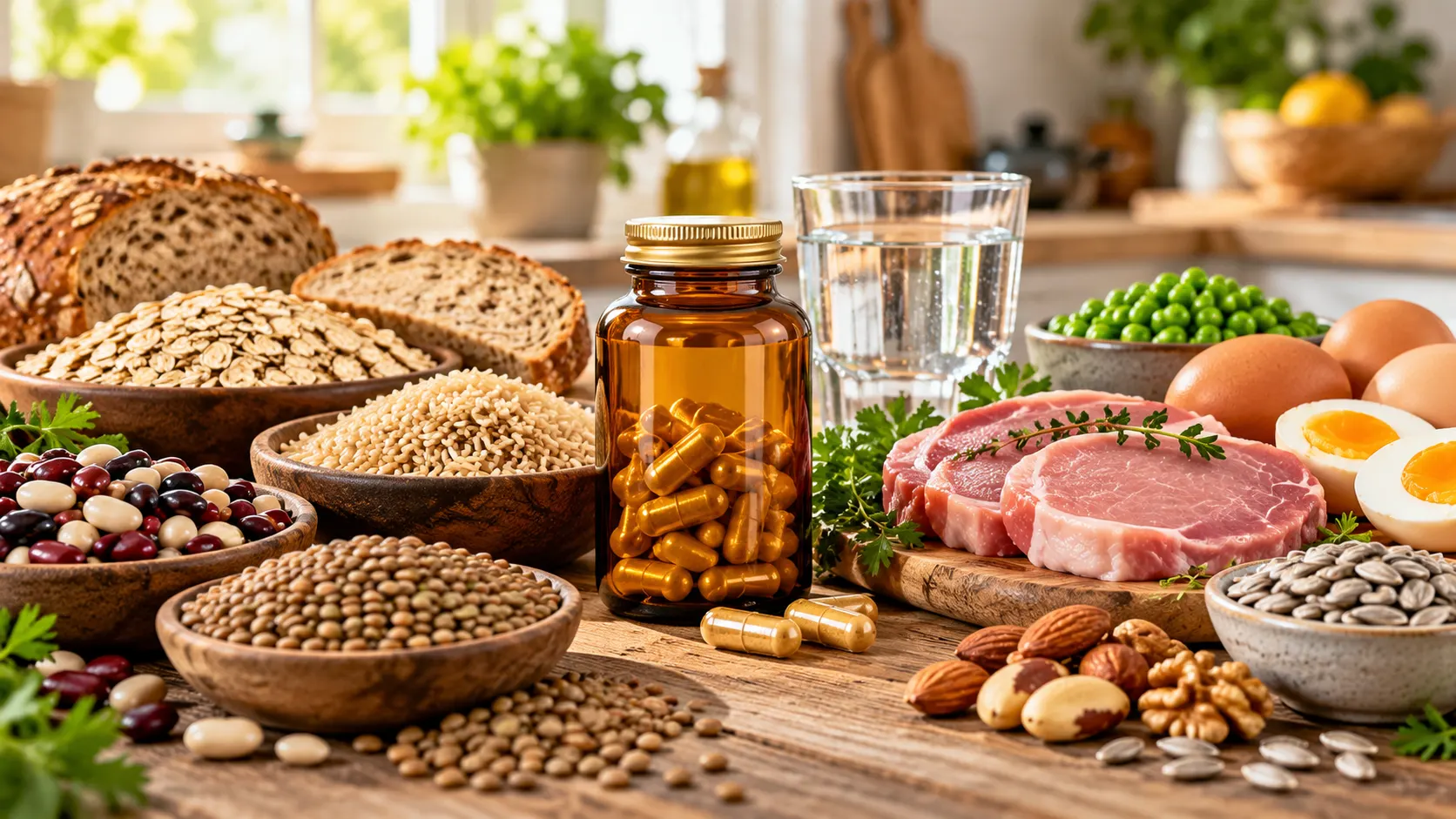

Vitamin B1, also known as thiamine, is an essential water-soluble vitamin that helps the body convert food into usable energy. It plays an important role in supporting the nervous system, heart function, and normal cellular metabolism. Because the body cannot produce sufficient thiamine on its own, obtaining adequate amounts through food is necessary for maintaining good health.
Vitamin B1 is naturally found in foods such as whole grains, legumes, pork, nuts, and seeds. It is also added to certain fortified and enriched food products. Although thiamine deficiency is uncommon among people who eat varied diets, inadequate intake or certain medical conditions can increase the risk of deficiency and related complications.
Understanding vitamin B1 benefits, food sources, daily requirements, and possible side effects can help you make informed nutritional decisions. This guide explores how thiamine works, why the body needs it, which foods contain it, and when supplementation may be medically appropriate.
What Is Vitamin B1 (Thiamine)?
Vitamin B1, commonly called thiamine, is one of the eight essential B vitamins required for normal body function. It belongs to the group of water-soluble vitamins, meaning the body does not store large quantities of it. Thiamine is especially important for energy metabolism and normal nerve activity. A regular dietary supply helps maintain adequate levels.
Inside the body, thiamine is converted into its active form, thiamine pyrophosphate, also called thiamine diphosphate. This compound acts as a coenzyme in several important metabolic reactions. These reactions help the body process carbohydrates and certain amino acids. Without enough thiamine, cells cannot carry out these energy-producing pathways normally.
Thiamine was the first B vitamin to be identified, which explains its name, vitamin B1. Its discovery helped scientists understand the connection between nutritional deficiencies and certain diseases. Today, thiamine is recognized as an essential nutrient rather than a general energy stimulant. Its benefits come primarily from supporting normal biological processes and preventing deficiency.
How Vitamin B1 Works in the Body
Thiamine plays a central role in converting carbohydrates into usable cellular energy. After digestion, carbohydrates are broken down into glucose, which cells use in several metabolic pathways. Thiamine-dependent enzymes help process products of glucose metabolism. These reactions contribute to the production of adenosine triphosphate, commonly abbreviated as ATP.
ATP supplies energy for numerous activities, including muscle contraction, cellular maintenance, and nerve signaling. Thiamine also participates in processes involving certain amino acids. Its contribution is particularly important in tissues that require a continuous energy supply. The brain, heart, and nervous system depend on efficient metabolism to function normally.
Although thiamine is necessary for energy production, consuming extra amounts does not automatically increase energy in people who already have adequate levels. Nutritional deficiencies can impair normal metabolism, but additional vitamins cannot replace sufficient food, sleep, or medical care. Understanding this distinction helps prevent exaggerated expectations about vitamin B1 supplements.
Vitamin B1 Benefits for Energy Metabolism
One of the most important vitamin B1 benefits is its contribution to normal energy metabolism. Thiamine helps enzymes involved in processing carbohydrates and producing cellular energy. These functions allow the body to use nutrients obtained from food. Maintaining adequate thiamine intake is therefore necessary for normal physical and metabolic activity.
When thiamine levels become insufficient, energy metabolism may be disrupted. Early deficiency can contribute to fatigue, weakness, and reduced appetite. However, these symptoms can also result from numerous unrelated conditions. Eating additional thiamine does not necessarily improve energy levels when a person already meets their nutritional requirements.
Balanced meals containing sufficient carbohydrates, protein, healthy fats, vitamins, and minerals support normal energy production. Whole grains, legumes, and other thiamine-containing foods contribute to these needs. Adequate sleep and appropriate physical activity are also important. Vitamin B1 is one part of normal metabolism rather than a guaranteed solution for tiredness.
Vitamin B1 Benefits for Brain and Nervous System Health
The nervous system depends on a steady supply of energy to support communication between nerve cells. Thiamine contributes to the metabolic processes that provide this energy. Severe deficiency can interfere with normal neurological function and produce significant complications. Maintaining adequate vitamin B1 levels is therefore essential for supporting healthy nervous system activity.
Thiamine also participates in biological processes associated with nerve signaling and cellular maintenance. Researchers have examined how deficiency affects different areas of the brain and peripheral nerves. However, its essential role does not mean that taking extra thiamine improves memory or concentration in healthy individuals. Such benefits require specific supporting evidence.
Healthy brain function depends on varied nutrition, sufficient sleep, physical activity, and appropriate medical care. Vitamin B1 helps meet the body’s normal requirements within this broader framework. Persistent memory problems, unusual weakness, or neurological symptoms should receive professional assessment. Supplements should not replace evaluation of possible underlying medical conditions.
How Thiamine Supports Heart Function
The heart requires a continuous supply of energy to maintain its pumping activity. Thiamine participates in cellular reactions that contribute to this energy production. Adequate levels are particularly important because heart muscle cells have substantial metabolic demands. Severe thiamine deficiency can interfere with normal cardiovascular function.
One form of thiamine deficiency, called wet beriberi, can affect the cardiovascular system. It may cause fluid retention, swelling, and abnormalities in heart function. This condition requires medical treatment and should not be managed through ordinary dietary changes alone. Fortunately, severe deficiency is uncommon where adequate nutrition and appropriate medical care are available.
Researchers have also investigated thiamine status in people with heart failure, particularly those taking certain medications that may increase urinary thiamine loss. However, routine supplementation has not been established as beneficial for every patient. People with cardiovascular conditions should follow individualized treatment recommendations. Thiamine is essential, but it cannot replace established heart disease treatments.
Vitamin B1 and Healthy Muscle Function
Muscles require energy to contract, recover, and perform everyday movements. Thiamine contributes to the metabolic pathways that help produce this energy. Adequate vitamin B1 intake therefore supports normal muscle function indirectly through cellular metabolism. Its role is relevant to both skeletal muscles and other tissues that depend on energy production.
Thiamine deficiency can contribute to weakness and neurological problems that affect movement. In severe cases, nerve damage may interfere with muscle coordination and strength. However, these symptoms are not specific to vitamin B1 deficiency. Medical evaluation is needed to identify their underlying causes and determine appropriate treatment.
For normal muscle health, adequate nutrition works alongside movement, hydration, and sufficient recovery. Foods containing thiamine provide one component of these requirements. Vitamin B1 supplements are not proven to increase strength or athletic performance in people with adequate intake. Regular activity and balanced eating remain more dependable foundations for physical function.
Vitamin B1 and Digestive System Health
Thiamine helps support normal metabolism throughout the body, including tissues involved in digestion. Its contribution to cellular energy production is important for maintaining normal biological functions. The digestive system also depends on coordinated nerve and muscle activity. Severe vitamin B1 deficiency may interfere with these processes indirectly.
Loss of appetite and digestive discomfort can occur during thiamine deficiency. However, these symptoms are common to many medical conditions and do not independently establish inadequate vitamin B1 intake. Taking additional thiamine is not a proven treatment for ordinary bloating or stomach discomfort. The underlying cause should be considered before using supplements.
A balanced diet supports digestion by providing dietary fiber, fluids, and essential nutrients. Whole grains, vegetables, fruits, and legumes contribute several components of digestive health. Many of these foods also supply thiamine. Persistent digestive symptoms require appropriate assessment rather than reliance on a single vitamin.
Vitamin B1 and Normal Growth and Development
Thiamine is essential during periods of growth because developing tissues require energy for normal cellular activity. Children and teenagers need adequate vitamin B1 alongside other essential nutrients. Requirements change with age and developmental stage. A varied diet helps provide the vitamins and minerals necessary for healthy growth.
The brain and nervous system are particularly important during development. Thiamine contributes to the metabolic processes that help these tissues function normally. However, taking more than the recommended amount does not accelerate development or improve intelligence. Adequate nutrition matters more than high-dose supplementation when no deficiency exists.
Infants depend on appropriate nutrition to meet their thiamine needs. Breast milk and properly formulated infant feeding products can provide this nutrient when nutritional requirements are met. Deficiency during early development can have serious consequences. Concerns about infant or childhood nutrition should be discussed with qualified healthcare professionals rather than addressed through adult vitamin products.
Best Natural Food Sources of Vitamin B1
Thiamine occurs naturally in several commonly consumed foods. Pork is a particularly rich animal-based source, while beans, lentils, sunflower seeds, and certain whole grains provide useful plant-based amounts. Nuts and some fish also contain vitamin B1. Including different foods helps maintain adequate intake while supplying additional nutrients.
Whole grains contain thiamine primarily in portions of the grain that may be reduced during refining. This is one reason enriched grain products have thiamine added during manufacturing. Fortified breakfast cereals can also provide substantial amounts. However, nutritional content varies, so food labels are useful when comparing packaged products.
A varied eating pattern is generally sufficient to provide thiamine for healthy individuals. Legumes, seeds, whole grains, and other nutritious foods can contribute meaningful amounts throughout the day. No single food needs to supply the entire requirement. Combining different sources also supports broader nutritional needs, including protein, fiber, and minerals.
Vitamin B1 in Whole Grains and Fortified Foods
Whole grains are important dietary sources of several B vitamins, including thiamine. Brown rice, oats, whole wheat, and other grains can contribute to vitamin B1 intake. Their exact thiamine concentrations depend on the grain and processing method. Whole grains also provide dietary fiber and other nutrients that support normal health.
Refining grains removes portions of the bran and germ, where several nutrients are concentrated. This process can reduce thiamine content. Some manufacturers restore selected vitamins and minerals through enrichment. Fortification may also add nutrients beyond their original concentrations, depending on food regulations and product formulations.
Fortified cereals, breads, and grain products can help people meet their daily thiamine needs. However, the nutrient content differs between brands and regions. Reading nutrition labels can help identify meaningful sources. Choosing a combination of whole and appropriately fortified foods is a practical approach to balanced nutrition.
Vitamin B1 in Plant-Based Diets
People following vegetarian or vegan diets can obtain thiamine through several plant foods. Beans, lentils, sunflower seeds, nuts, and whole grains are useful examples. Fortified grain products may provide additional amounts. Because thiamine is available in many plant-based foods, animal products are not required to meet normal vitamin B1 needs.
Food preparation can influence thiamine availability because the vitamin is water-soluble and sensitive to certain processing conditions. Prolonged cooking and discarding cooking water may reduce the amount retained in some foods. However, cooking remains important for food safety and digestibility. A varied diet generally helps account for these differences.
Plant-based eating patterns should provide sufficient overall energy, protein, and essential nutrients. Thiamine is only one part of these requirements. Including legumes, grains, seeds, vegetables, and appropriate fortified foods supports nutritional diversity. People with restricted diets or medical conditions may benefit from individualized nutritional advice.
Recommended Daily Vitamin B1 Intake
Daily vitamin B1 requirements vary according to age, sex, and certain physiological circumstances. In the United States, the recommended dietary allowance for adults aged nineteen and older is 1.2 milligrams for men and 1.1 milligrams for women. During pregnancy and breastfeeding, the recommended intake increases to 1.4 milligrams daily. These values describe nutritional requirements rather than supplement instructions.
Children and teenagers have different recommended intakes according to their developmental stage. For ages nine through thirteen, the recommended amount is 0.9 milligrams daily. From fourteen through eighteen, the recommendation is 1.2 milligrams for boys and 1.0 milligram for girls. These amounts are generally intended to be met through food and appropriately fortified products.
Individual needs may differ in the presence of illness, malabsorption, or other medical circumstances. Certain conditions require therapeutic thiamine treatment that goes beyond ordinary dietary recommendations. Those situations should be managed by healthcare professionals. Taking high-dose supplements without a diagnosed reason is not necessary for most healthy individuals.
Vitamin B1 Deficiency: Causes and Risk Factors
Vitamin B1 deficiency develops when the body does not receive, absorb, or retain enough thiamine for normal function. Inadequate dietary intake is one possible cause. However, deficiency can also occur with certain medical conditions that interfere with nutrient absorption. Individuals with prolonged nutritional difficulties may face increased risk.
Chronic heavy alcohol use is a recognized risk factor because it can interfere with thiamine absorption, utilization, and nutritional intake. Certain gastrointestinal conditions and surgeries may also increase deficiency risk. Some people taking medications that affect nutrient balance require additional assessment. Risk varies according to individual circumstances.
Early deficiency may be difficult to recognize because symptoms can resemble those of other health conditions. Fatigue, reduced appetite, and irritability are possible signs but are not specific to thiamine deficiency. Severe cases can cause neurological or cardiovascular complications. Appropriate diagnosis is important before assuming supplementation will resolve unexplained symptoms.
Symptoms of Vitamin B1 Deficiency
Thiamine deficiency may initially produce symptoms such as fatigue, weakness, irritability, and reduced appetite. These changes can develop gradually and may be overlooked. Because they occur in many unrelated conditions, symptoms alone cannot confirm inadequate vitamin B1 levels. Medical evaluation helps determine whether nutritional deficiency is involved.
More severe deficiency can affect the peripheral nervous system, potentially causing tingling, weakness, and difficulties with movement. It may also interfere with normal cardiovascular function. A condition called beriberi describes significant thiamine deficiency affecting different body systems. These complications require professional treatment rather than ordinary food changes alone.
Severe thiamine deficiency may also contribute to Wernicke encephalopathy, a serious neurological condition requiring urgent medical care. Possible signs include confusion, coordination difficulties, and abnormal eye movements. Not every affected person experiences all symptoms. Prompt recognition and medical treatment are essential to reducing the risk of lasting complications.
What Is Beriberi and How Is It Related to Thiamine?
Beriberi is a disease caused by significant vitamin B1 deficiency. It can affect the nervous system, cardiovascular system, or both. Traditionally, it is described in different forms according to the organs most affected. The condition demonstrates how essential thiamine is for normal energy metabolism and cellular function.
Dry beriberi primarily involves neurological problems, particularly damage affecting peripheral nerves. Individuals may experience weakness, sensory changes, or difficulties with movement. Wet beriberi affects cardiovascular function and may involve swelling and heart-related complications. Both forms require appropriate medical evaluation and treatment.
Beriberi is preventable when adequate thiamine nutrition is maintained and relevant medical conditions are properly managed. Treatment depends on the severity and underlying causes of deficiency. Severe cases may require medically supervised thiamine replacement. Self-treating suspected beriberi with ordinary supplements can delay necessary care.
Vitamin B1 Supplements: Types and Forms
Vitamin B1 supplements are available in tablets, capsules, liquid preparations, and multivitamin products. Thiamine hydrochloride and thiamine mononitrate are common supplemental forms. Some products also contain related compounds such as benfotiamine. These preparations differ chemically and may have different absorption characteristics.
Benfotiamine is a synthetic derivative of thiamine that has been studied for possible effects on certain metabolic and neurological conditions. However, research has not established that it is necessary or superior for routine nutritional supplementation. The appropriate preparation depends on the intended clinical purpose. Marketing claims about enhanced absorption should be evaluated carefully.
Most people can meet normal vitamin B1 requirements through food without using supplements. Individuals with diagnosed deficiency or certain medical conditions may require prescribed replacement. The amount and form depend on individual circumstances. Supplementation should be guided by a qualified healthcare professional rather than assumptions about general wellness benefits.
Vitamin B1 Dosage and Supplement Safety
Vitamin B1 dosage for correcting a diagnosed deficiency differs from the amount needed for everyday nutrition. Clinical treatment may involve quantities substantially above the recommended dietary allowance. However, therapeutic doses are determined according to the medical condition and its severity. Adult treatment amounts should not be used as personal instructions.
For healthy individuals, the recommended dietary allowance provides a useful nutritional reference. Taking more thiamine than needed has not been shown to provide additional benefits for energy, memory, or athletic performance. The body can excrete excess water-soluble thiamine, but this does not justify unnecessary supplementation. Product combinations may also contain other ingredients with different risks.
Children and teenagers should not use high-dose vitamin B1 products without appropriate medical guidance. Their needs differ from those of adults, and suspected deficiency deserves proper evaluation. Supplements cannot replace balanced meals. Professional advice is especially important when medical conditions, prescription medications, or ongoing symptoms are involved.
Possible Side Effects of Vitamin B1 Supplements
Vitamin B1 is generally well tolerated when consumed through ordinary foods and standard nutritional supplements. There is no established tolerable upper intake level for thiamine because evidence of toxicity from oral intake is limited. However, this does not mean every dosage or formulation is automatically safe. Unnecessary high-dose supplementation should still be approached cautiously.
Some people report mild digestive discomfort or other unwanted symptoms after taking vitamin products. Combination supplements may contain additional nutrients or substances responsible for these reactions. Allergic reactions to thiamine preparations are uncommon but possible. Severe symptoms require immediate medical evaluation.
Injectable thiamine, used in certain medical settings, carries different considerations from oral supplements. Rare serious allergic reactions have been reported with injectable preparations. These treatments should be administered under appropriate professional supervision. For most healthy individuals, obtaining thiamine through a varied diet remains the simplest approach.
Vitamin B1 and Medication Interactions
Certain medicines may influence thiamine status or create circumstances in which monitoring becomes important. For example, some diuretic treatments can increase urinary nutrient losses. However, the clinical significance varies according to the medicine and individual health circumstances. Not everyone taking these medications develops vitamin B1 deficiency.
People managing chronic illnesses may have additional nutritional needs because of altered absorption, metabolism, or dietary intake. Healthcare professionals can assess whether monitoring or supplementation is appropriate. Taking vitamins without considering existing medications may complicate treatment plans. An accurate medication and supplement list supports safer care.
Although thiamine has relatively few well-established harmful interactions when taken orally, individual medical circumstances still matter. Supplements should not replace prescribed therapies or delay investigation of unexplained symptoms. People with heart disease, kidney conditions, or complex medical histories may need individualized advice. Professional guidance remains important when nutritional treatment is being considered.
How Cooking and Food Processing Affect Thiamine
Thiamine is a water-soluble vitamin that can be lost during certain cooking and food-processing methods. Boiling foods in large amounts of water may allow some thiamine to move into the cooking liquid. Discarding that liquid can reduce the vitamin content of the finished food. The degree of loss depends on preparation methods.
Heat exposure can also affect thiamine stability, particularly during prolonged processing. However, the amount lost differs between foods and cooking conditions. Proper cooking remains necessary for many ingredients, including beans, meats, and other foods requiring safe preparation. Nutritional value should be considered alongside food safety.
Using varied cooking methods can help preserve nutritional quality while maintaining enjoyable meals. Steaming and preparing foods with less discarded cooking liquid may reduce some nutrient losses. Fortified and enriched products can also contribute thiamine. A diverse eating pattern is generally more important than attempting to preserve every milligram during cooking.
Conclusion
Vitamin B1, or thiamine, is an essential nutrient involved in energy metabolism, nervous system function, and normal cardiovascular activity. The body requires a regular supply because it cannot produce enough thiamine independently. Whole grains, legumes, pork, seeds, and fortified foods provide useful dietary sources. Most healthy people can meet their needs through balanced nutrition.
Thiamine deficiency can cause fatigue, neurological symptoms, and serious complications such as beriberi or Wernicke encephalopathy. Certain medical conditions and nutritional difficulties increase the risk. Appropriate diagnosis and treatment are important when deficiency is suspected. High-dose supplementation is not necessary for everyone and should not replace professional medical guidance.
Understanding vitamin B1 benefits, food sources, and daily requirements supports informed nutritional choices. A varied diet helps provide thiamine alongside other essential vitamins and minerals. Supplements may be useful in selected medical circumstances, but extra intake does not automatically improve energy or brain function. Consistent, balanced nutrition remains the foundation of adequate thiamine status.
Frequently Asked Questions (FAQs)
What Is Vitamin B1 Mainly Good For?
Vitamin B1 supports cellular energy production, normal nervous system activity, and heart function. It helps the body process carbohydrates through essential metabolic reactions, making adequate intake important for maintaining normal biological functions.
What Foods Are Highest in Vitamin B1?
Useful thiamine sources include pork, sunflower seeds, beans, lentils, whole grains, and fortified breakfast cereals. Nutrient content varies between foods, so eating a variety of sources helps meet daily requirements.
How Much Vitamin B1 Do You Need Daily?
Adults generally require 1.1 to 1.2 milligrams daily, while pregnancy and breastfeeding increase the recommendation to 1.4 milligrams. Requirements for children and teenagers vary according to age and sex.
What Happens If You Do Not Get Enough Thiamine?
Thiamine deficiency can cause fatigue, weakness, and neurological problems. Severe deficiency may lead to beriberi or serious brain-related complications, making medical evaluation and appropriate treatment essential.
Is It Safe to Take Vitamin B1 Every Day?
Vitamin B1 is essential and should be obtained regularly through food. Supplements may be appropriate in certain circumstances, but unnecessary high-dose products are not recommended without professional guidance.