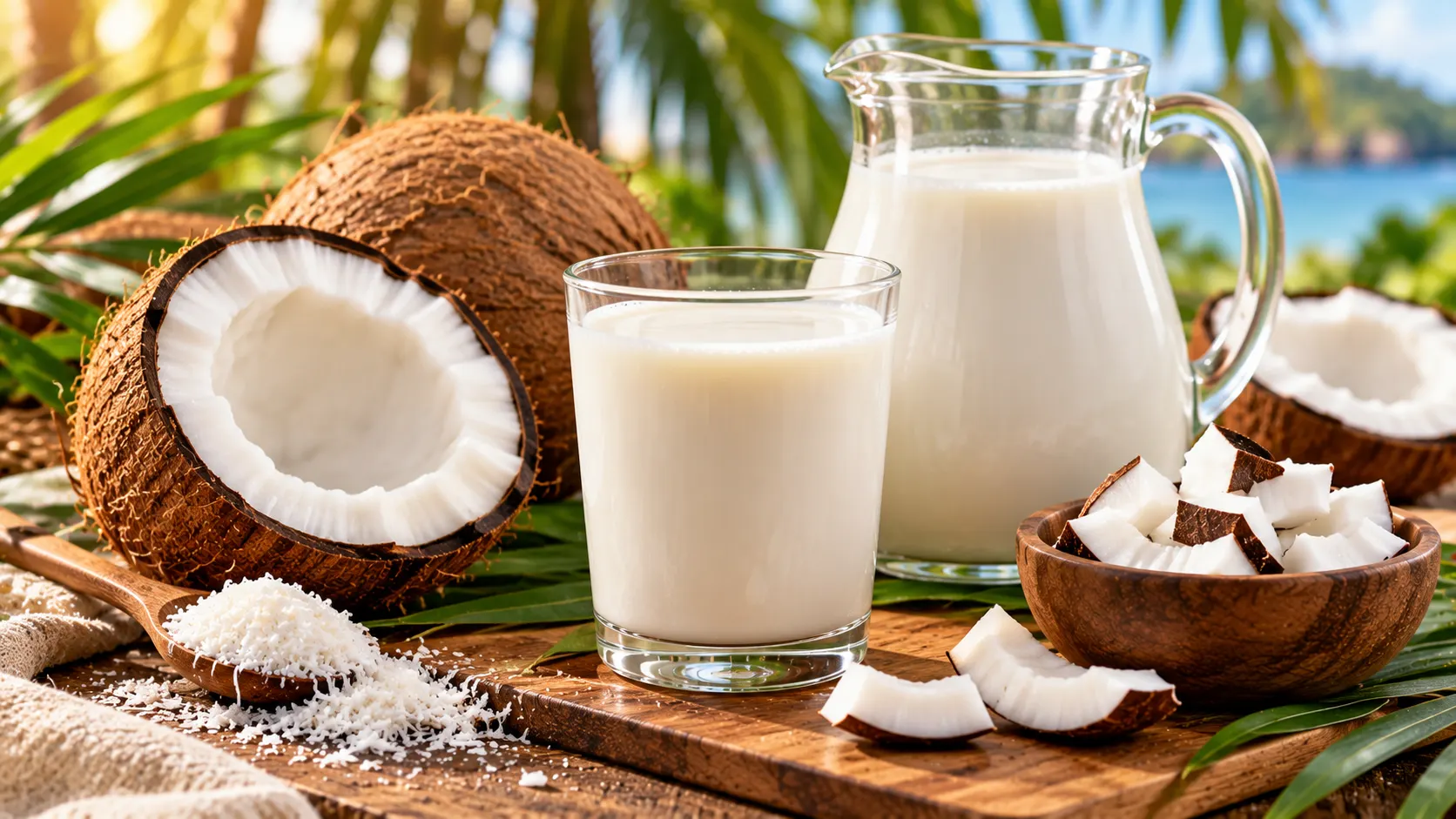

Coconut milk is a creamy, plant-based liquid made from the white flesh of mature coconuts. It is widely used in Asian, Caribbean, and tropical cuisines, where its rich flavor adds depth to curries, soups, sauces, and desserts. Today, coconut milk is also popular as a dairy-free alternative in smoothies, coffee, and everyday cooking.
Many people wonder whether coconut milk is healthy because it contains beneficial nutrients alongside relatively high amounts of saturated fat. Its nutritional value depends on the type of product, how it is processed, and the quantity consumed. Canned coconut milk, carton coconut beverages, and coconut cream can have very different nutritional profiles.
Understanding coconut milk nutrition facts, potential health benefits, possible side effects, and practical uses can help you make informed dietary choices. This guide explains how coconut milk compares with other milk alternatives, what its nutrients do, and how it can fit into a balanced eating pattern.
What Is Coconut Milk?
Coconut milk is a white, creamy liquid produced by combining grated mature coconut flesh with water and extracting the resulting mixture. Unlike coconut water, which occurs naturally inside young coconuts, coconut milk is made from the solid white flesh. Its distinctive texture comes primarily from coconut fat suspended in water. The final consistency depends on processing and added liquid.
Traditional coconut milk is commonly used in savory and sweet dishes. Its rich texture works particularly well in curries, soups, stews, and sauces. In many tropical regions, coconut milk has been an important culinary ingredient for generations. Commercial manufacturers also produce lighter coconut beverages intended as alternatives to dairy milk.
Coconut milk products vary considerably in fat content, thickness, and nutritional composition. Full-fat canned coconut milk is generally much richer than refrigerated or shelf-stable carton beverages. Coconut cream contains an even higher concentration of fat. Understanding these distinctions is essential when evaluating coconut milk’s potential health benefits.
Coconut Milk Nutrition Facts
Coconut milk contains water, fat, carbohydrates, and small amounts of protein. Full-fat canned coconut milk is particularly concentrated in fat, while diluted carton beverages usually contain much less. The exact nutritional profile depends on the ingredients and preparation method. Consequently, nutrition labels provide more useful information than generalized claims about coconut milk.
A typical 100-gram portion of full-fat canned coconut milk may provide approximately 190 to 230 calories and around 19 to 24 grams of fat. Most of this fat is saturated. Protein and carbohydrate amounts are relatively modest. Different brands may contain varying amounts of water, coconut extract, and stabilizing ingredients.
Carton coconut milk beverages can be considerably lower in calories because they contain more water. Some products are fortified with calcium, vitamin D, or vitamin B12 to improve their nutritional value. Others contain added sugar or flavorings. Comparing the serving size and ingredient list helps identify meaningful differences between products.
Is Coconut Milk Healthy?
Coconut milk can be part of a healthy diet when consumed in appropriate amounts and combined with varied, nutritious foods. It provides a distinctive flavor and can serve as a useful dairy-free cooking ingredient. However, its nutritional benefits depend heavily on the formulation. Full-fat coconut milk contains substantial saturated fat, which deserves consideration.
Some advertisements describe coconut milk as a superfood that supports metabolism, immunity, and overall wellness. These claims often extend beyond reliable clinical evidence. Coconut milk contains certain nutrients and fatty acids, but that does not make it superior to every other milk alternative. Healthfulness depends on overall dietary patterns rather than a single ingredient.
People who enjoy coconut milk can include it in meals without treating it as an essential health supplement. Choosing unsweetened products and considering saturated fat content may be helpful. Fortified varieties can provide additional nutrients when dairy is excluded. Moderation and dietary variety are more important than assuming all coconut products have identical health effects.
Coconut Milk Benefits for Dairy-Free Diets
One practical coconut milk benefit is that it naturally contains no dairy ingredients when prepared from coconut and water alone. This makes plain coconut milk suitable for many people avoiding cow’s milk for dietary, ethical, or personal reasons. It also contains no lactose. However, commercial products should still be checked for added ingredients.
People with lactose intolerance may find coconut milk useful because lactose is the sugar naturally present in mammalian milk. Coconut milk does not contain this sugar. Nevertheless, it is not nutritionally equivalent to dairy milk. Most coconut beverages provide substantially less protein unless manufacturers add other ingredients.
Individuals with cow’s milk protein allergy may also use suitable dairy-free coconut products, provided there are no additional allergens or cross-contact concerns. Coconut allergy itself is possible, although it is uncommon. Reading product labels remains important. A dairy-free label does not automatically establish that a beverage meets every nutritional requirement.
Coconut Milk and Heart Health
Heart health is an important consideration because full-fat coconut milk contains substantial quantities of saturated fat. Saturated fat can raise LDL cholesterol levels in some individuals, particularly when it replaces unsaturated fats in the diet. Higher LDL cholesterol is associated with increased cardiovascular risk. The overall effect depends on the dietary pattern and individual health circumstances.
Some discussions emphasize that coconut fat contains medium-chain fatty acids. However, coconut milk contains a mixture of fatty acids, including lauric acid, and should not be treated as equivalent to purified medium-chain triglyceride products. Research involving isolated MCT oils cannot automatically establish heart health benefits from coconut milk. These substances have different compositions.
People managing elevated cholesterol or cardiovascular conditions may need to consider how frequently they consume rich coconut-based foods. Using smaller amounts of full-fat coconut milk or choosing lighter formulations can reduce saturated fat intake. Unsaturated fat sources remain important in balanced nutrition. Coconut milk has not been proven to prevent heart disease.
Does Coconut Milk Support Weight Management?
Coconut milk is sometimes promoted as a food that increases metabolism or supports weight loss. These claims often focus on its fatty acid composition. However, there is insufficient reliable evidence that ordinary coconut milk produces meaningful weight-management benefits. Findings involving purified MCT supplements should not be applied directly to traditional coconut milk.
Full-fat coconut milk is an energy-dense ingredient because it contains considerable fat. Carton beverages may contain much less, depending on dilution and added ingredients. These differences matter when comparing products, but they do not determine whether a food is inherently good or bad. Adequate nutrition and balanced eating patterns remain more important.
For teenagers and adults alike, healthy eating should focus on meeting nutritional needs rather than restrictive food rules. Coconut milk can be enjoyed for flavor and variety without being used as a weight-control treatment. Products claiming rapid changes in body weight should be approached cautiously. Sustainable health depends on broader habits and individual circumstances.
Coconut Milk and Digestive Health
Coconut milk is naturally lactose-free, which may make it more comfortable for people with lactose intolerance. Avoiding lactose can help reduce symptoms caused by difficulty digesting that particular sugar. However, coconut milk does not directly treat digestive disorders. Individual tolerance may still vary depending on the product and serving size.
Traditional coconut milk contains fat, while many processed coconut beverages contain stabilizers or gums. Some individuals may experience digestive discomfort after consuming rich foods or certain additives. Symptoms can include bloating, nausea, or changes in bowel habits. These reactions do not necessarily indicate that coconut milk is harmful for everyone.
Digestive health also depends on dietary fiber, hydration, physical activity, and overall nutrition. Most strained coconut milk products contain relatively little fiber compared with whole coconut flesh. Coconut milk should therefore not be considered a major fiber source. Persistent digestive symptoms deserve professional assessment rather than reliance on dietary substitutions alone.
Coconut Milk and Bone Health
Coconut milk beverages are sometimes marketed as alternatives to dairy milk, particularly for people avoiding lactose or animal products. However, unfortified coconut milk naturally contains relatively little calcium compared with conventional cow’s milk. This distinction is important because calcium supports normal bone development and maintenance. Other nutrients, including vitamin D and protein, also contribute to skeletal health.
Some manufacturers fortify coconut beverages with calcium and vitamin D. These additions can improve their nutritional value, although quantities vary between products. Reading labels helps identify beverages that meaningfully contribute to daily requirements. Fortified coconut milk may be useful as one component of a varied diet, but not every product provides equivalent nutrition.
Children and teenagers have important nutritional needs during growth and development. Coconut beverages generally contain less protein than dairy milk or fortified soy beverages. Therefore, replacing dairy requires attention to the wider diet. Parents and caregivers should consider nutrient adequacy rather than assuming all plant-based drinks are interchangeable.
Coconut Milk and Immune System Function
Coconut milk contains some minerals and naturally occurring compounds that participate in normal biological functions. Certain coconut-derived substances have demonstrated antimicrobial activity in laboratory experiments. However, these findings do not establish that drinking coconut milk prevents infections. Laboratory observations should be distinguished from proven effects in humans.
The body requires adequate protein, vitamins, minerals, and other nutrients for normal immune function. Coconut milk may contribute small quantities of some nutrients, but its overall profile varies substantially. It is not a concentrated source of most essential immune-supporting vitamins. Fortified beverages may contain additional nutrients depending on the manufacturer.
Maintaining immune health depends on varied nutrition, adequate sleep, appropriate physical activity, and recommended preventive healthcare. Coconut milk can contribute to enjoyable meals without being considered an immune treatment. Claims that it kills harmful microorganisms inside the body are not supported by strong clinical evidence. Medical conditions require appropriate diagnosis and care.
Coconut Milk and Skin Health
Coconut milk is sometimes promoted for skin health because it contains fats and other naturally occurring substances. Dietary fats contribute to normal physiological processes, including the maintenance of cellular structures. However, eating coconut milk has not been shown to directly improve skin appearance. Claims about removing wrinkles or restoring skin hydration lack convincing clinical evidence.
Some cosmetic formulations contain coconut-derived ingredients that may affect skin moisture or texture. These products are different from coconut milk consumed as food. Results depend on the entire skincare formulation rather than the presence of coconut alone. People with sensitive skin may also react to certain botanical ingredients.
Healthy skin depends on adequate nutrition, sun protection, sleep, and appropriate skincare practices. Coconut milk can be included in meals as a flavorful ingredient, but it is not a substitute for established skincare treatments. Persistent skin problems should receive professional evaluation. Food-based wellness claims should remain consistent with available evidence.
Coconut Milk vs. Coconut Water
Coconut milk and coconut water come from different parts of the coconut and have distinctly different nutritional profiles. Coconut water is the naturally occurring liquid inside young coconuts. Coconut milk is prepared from mature coconut flesh. The milk is usually creamier and contains considerably more fat than coconut water.
Coconut water generally contains little fat and provides electrolytes such as potassium. Coconut milk contains more coconut-derived fat, particularly in canned full-fat preparations. These differences influence their common uses. Coconut water is typically consumed as a beverage, while rich coconut milk is frequently used in cooking.
Neither product is automatically healthier in every circumstance. Coconut water and coconut milk serve different nutritional and culinary purposes. Choosing between them depends on taste, dietary needs, and intended use. Reading product labels is useful because packaged beverages may contain additional sweeteners or flavorings.
Canned Coconut Milk vs. Carton Coconut Milk
Canned coconut milk is typically thicker and richer because it contains a relatively high proportion of coconut extract and fat. It is commonly used in curries, soups, sauces, and desserts. Some products separate naturally into a thicker cream layer and a watery portion. This separation is not necessarily a sign of spoilage.
Carton coconut milk is usually diluted with more water to create a drinkable consistency. Manufacturers may add calcium, vitamins, stabilizers, or sweeteners. The resulting beverage often contains much less fat than canned coconut milk. However, its protein content generally remains low unless additional ingredients are included.
Choosing between canned and carton varieties depends mainly on their intended culinary purpose. Rich canned coconut milk works well when creamy texture is important. Carton beverages are convenient for cereal, smoothies, or coffee. They should not be treated as nutritionally equivalent products simply because they share the same name.
Coconut Milk vs. Almond Milk
Coconut milk and almond milk are both popular plant-based alternatives to dairy products. However, their flavors, textures, and nutrient compositions differ. Unsweetened almond beverages are often relatively low in saturated fat. Carton coconut beverages can also be light, but their fat composition is different because coconut naturally contains more saturated fat.
Neither beverage necessarily provides substantial protein unless fortified or specially formulated. Some commercial products contain added calcium, vitamin D, or vitamin B12. The amounts vary, making label comparisons important. Their calorie content also depends on whether sugar or other ingredients have been added.
People selecting a dairy alternative should consider allergies, nutrition, flavor, and personal preference. Almond milk is unsuitable for people with relevant nut allergies. Coconut milk may not meet the protein needs expected from a milk replacement. Both can be included in varied diets when other foods provide sufficient essential nutrients.
Coconut Milk vs. Soy Milk
Soy milk is another widely available plant-based beverage. Unlike many coconut milk drinks, fortified soy beverages often provide protein levels comparable to dairy milk. Soy also contains naturally occurring plant compounds and other nutrients. Coconut milk generally has a more distinctive tropical flavor and a lower protein concentration.
The saturated fat content of coconut beverages can vary, while most soy beverages contain predominantly unsaturated fats. Both may be fortified with calcium and vitamins. Their nutritional suitability depends on the specific formulation. Unsweetened products can help avoid unnecessary added sugars when a less sweet beverage is preferred.
For people using plant-based milk as a substantial replacement for dairy, protein and calcium content deserve attention. Fortified soy milk may offer a more nutritionally comparable option in many circumstances. Coconut milk can still provide flavor and culinary variety. No single plant-based beverage is automatically ideal for everyone.
Coconut Milk in Cooking and Everyday Recipes
Coconut milk is especially valued for its ability to create creamy textures in savory dishes. It is commonly used in curries, soups, stews, and vegetable preparations. Its mild sweetness balances ingredients such as ginger, garlic, chili, and aromatic herbs. Rich coconut milk can also help create smooth sauces without dairy cream.
In desserts, coconut milk works well in puddings, rice dishes, frozen treats, and baked recipes. It contributes a distinctive coconut flavor that complements tropical fruits and warm spices. Different formulations produce different consistencies. Full-fat coconut milk generally creates a richer texture than diluted carton beverages.
Coconut milk can also be added to smoothies or breakfast dishes when its flavor is desired. Unsweetened varieties provide flexibility because sweetness can come from other ingredients. Using coconut milk alongside fruits, grains, and protein-containing foods creates more balanced meals. Its main advantage in cooking is versatility rather than guaranteed medical benefits.
How to Make Coconut Milk at Home
Homemade coconut milk is traditionally prepared using fresh or dried unsweetened coconut flesh and water. The coconut is blended or mixed with water before the liquid is strained from the solids. The amount of water influences the final thickness. A concentrated mixture creates richer milk, while additional water produces a lighter consistency.
Homemade coconut milk can be used in many of the same recipes as commercial versions. However, its nutritional composition varies according to preparation. It also lacks the controlled preservation systems used in many packaged products. Clean utensils and safe food handling are especially important when preparing it at home.
Fresh homemade coconut milk should be refrigerated promptly and used within a short period because it can spoil. Separation may occur naturally, and stirring can restore a more uniform consistency. Discard any preparation showing signs of deterioration. Homemade milk is not automatically safer or nutritionally superior to appropriately manufactured commercial products.
Is Coconut Milk Safe for People With Allergies?
Coconut milk is naturally free from dairy and lactose when made only from coconut and water. This makes it suitable for many people avoiding cow’s milk. However, coconut allergy is possible and can occasionally cause serious reactions. Anyone with a known coconut allergy should avoid coconut-containing products and follow medical guidance.
Commercial coconut beverages may also contain additional ingredients that create allergy concerns. Flavorings, stabilizers, or other components vary by manufacturer. Cross-contact during production may be relevant for highly sensitive individuals. Reading labels carefully helps identify potential allergens, although product suitability depends on individual circumstances.
Symptoms of food allergy may include itching, swelling, skin reactions, or breathing difficulties. Severe reactions require urgent medical attention. Coconut should not be assumed universally safe simply because it is plant-based. People with diagnosed allergies benefit from individualized dietary advice and clear identification of food ingredients.
Possible Side Effects of Coconut Milk
Coconut milk is generally enjoyed safely as a food, but some people may experience digestive discomfort. Rich full-fat preparations can feel heavy or cause nausea in sensitive individuals. Certain commercial additives may also affect digestive tolerance. Reactions depend on the product, overall meal composition, and individual circumstances.
Another consideration is the saturated fat content of concentrated coconut milk. Frequent large amounts may contribute substantial saturated fat to the diet. This is particularly relevant for people managing elevated LDL cholesterol or cardiovascular conditions. Choosing lighter preparations can be useful when dietary advice calls for limiting saturated fat.
Sweetened coconut beverages may contain added sugars, while some flavored versions include several additional ingredients. These characteristics can influence their nutritional value. Coconut milk should not be treated as a limitless health food. Balanced consumption and attention to individual medical needs remain important.
How to Choose Healthy Coconut Milk
Choosing coconut milk begins with identifying whether the product is intended for drinking or cooking. Canned varieties are usually richer, while carton beverages are often diluted. The nutrition label can reveal differences in saturated fat, protein, calcium, and added sugars. These details are more informative than broad claims such as natural or premium.
Unsweetened coconut beverages may be useful when avoiding unnecessary added sugar. For people replacing dairy milk, fortified products containing calcium and vitamin D can help support nutrient intake. However, protein levels should also be considered. Other foods may be necessary to meet daily protein requirements.
Ingredient lists can help identify stabilizers, flavorings, and additional components. These ingredients are not automatically harmful, but individual tolerance and dietary preferences vary. A suitable choice depends on the product’s nutritional composition and intended use. Coconut milk is best selected according to actual needs rather than marketing promises.
How to Store Coconut Milk Properly
Unopened coconut milk should be stored according to the manufacturer’s instructions. Shelf-stable cans and cartons usually remain suitable at room temperature until opened, provided their packaging is intact. Refrigerated products require appropriate chilling. Always check expiration information and inspect containers for damage before use.
Once opened, coconut milk should generally be refrigerated in a clean, covered container. Canned products may separate naturally, producing a thick cream layer above a watery portion. This separation is not necessarily spoilage. However, unusual odors, visible mold, or other signs of deterioration indicate that the product should be discarded.
Homemade coconut milk requires particular care because it contains no commercial preservatives. Refrigeration slows microbial growth but does not prevent spoilage indefinitely. Avoid leaving prepared coconut milk at room temperature for extended periods. Proper handling helps maintain food quality and reduces unnecessary food safety risks.
Conclusion
Coconut milk is a creamy plant-based ingredient that offers flavor, versatility, and a naturally dairy-free composition. It can be used in beverages, curries, soups, sauces, and desserts. Its nutritional characteristics vary considerably between rich canned products and diluted carton beverages. Understanding these differences is essential when evaluating whether coconut milk is healthy.
Although coconut milk provides certain nutrients and useful culinary qualities, full-fat versions contain substantial saturated fat. Scientific evidence does not establish that drinking coconut milk improves metabolism, prevents disease, or provides exceptional health benefits. Fortified beverages may contribute calcium and vitamins, but many coconut drinks contain relatively little protein.
Coconut milk can fit into a balanced diet when selected according to nutritional needs and personal preferences. Comparing labels, choosing appropriate formulations, and enjoying varied foods are practical approaches. Rather than treating coconut milk as a miracle ingredient, its greatest value comes from being a flavorful and versatile option within everyday nutrition.
Frequently Asked Questions (FAQs)
Is Coconut Milk Healthy to Drink Every Day?
Unsweetened coconut milk beverages can fit into a varied diet when nutritionally appropriate. However, products differ in saturated fat, protein, and fortification, so daily use should consider overall dietary needs.
Is Coconut Milk Better Than Regular Milk?
Coconut milk is naturally dairy-free and lactose-free, but it generally contains less protein than cow’s milk. Fortified varieties may provide calcium and vitamins, although neither option is universally better.
Does Coconut Milk Contain a Lot of Fat?
Full-fat canned coconut milk contains substantial fat, most of which is saturated. Diluted carton beverages usually contain much less, so nutritional values should be checked on the specific product label.
Is Coconut Milk Good for Digestion?
Coconut milk contains no lactose, making it suitable for many people with lactose intolerance. However, rich formulations or certain additives may cause digestive discomfort, and coconut milk does not treat digestive disorders.
Can Children Drink Coconut Milk?
Coconut milk can be included in age-appropriate meals when tolerated, but coconut beverages are generally low in protein and may lack essential nutrients unless fortified. They should not replace infant formula or breast milk.