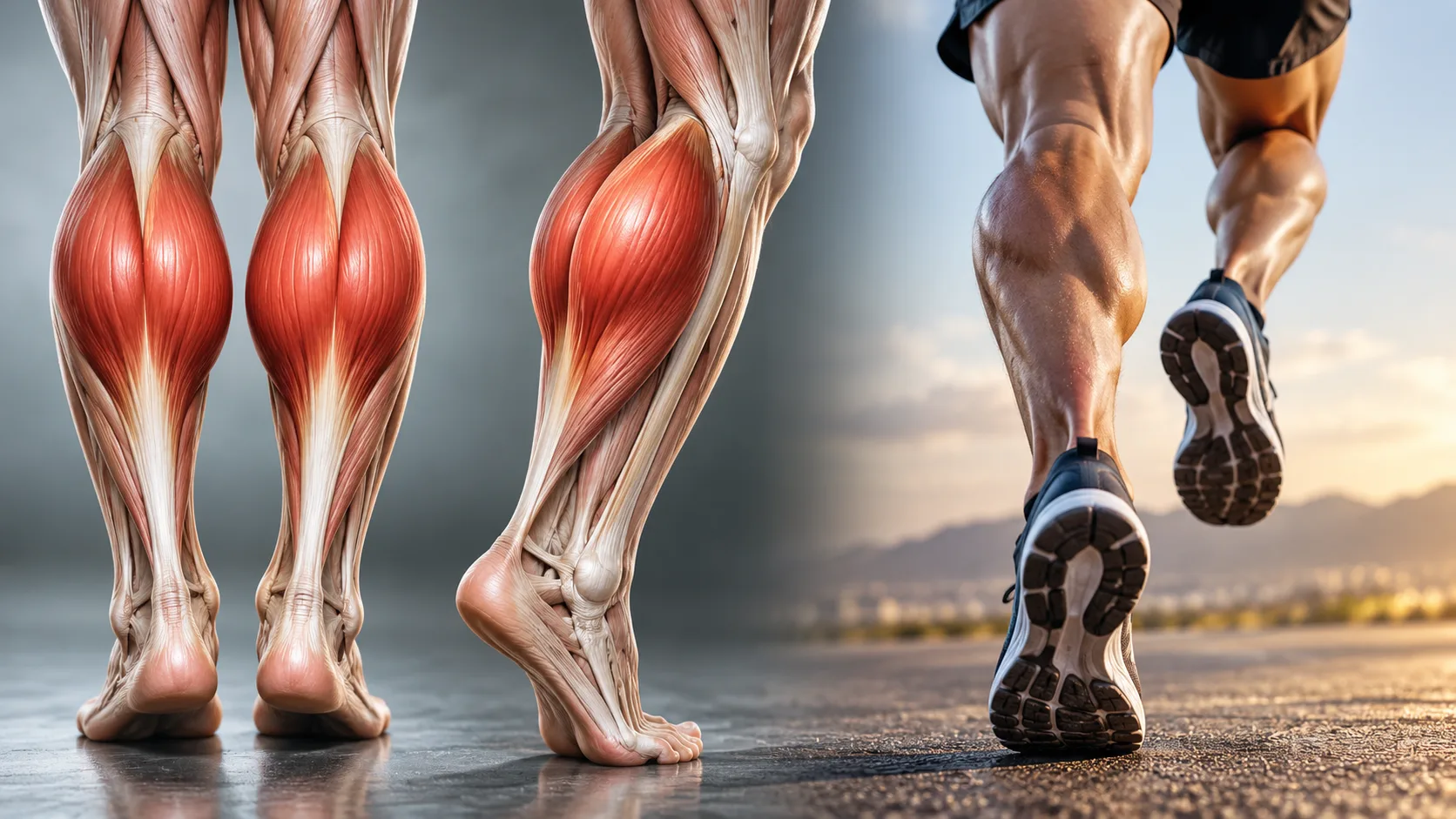

The gastrocnemius is one of the most important muscles in the lower leg. It helps you walk, run, jump, climb stairs, and maintain balance during everyday activities. Understanding gastrocnemius function can help you recognize how your calf muscles contribute to movement, stability, and overall lower-body performance.
Located at the back of the calf, the gastrocnemius works with other muscles to control ankle movement and assist knee function. Its unique structure allows it to generate powerful movements while supporting normal walking patterns. Learning about its anatomy, functions, and common problems can help you better understand lower-leg health.
What Is the Gastrocnemius Muscle?
The gastrocnemius is a large, superficial muscle located at the back of the lower leg. It forms much of the visible rounded shape of the calf and plays an essential role in movement. This powerful skeletal muscle connects the lower thigh bone to the heel through the Achilles tendon, allowing coordinated movement at the ankle and knee joints.
Unlike muscles that cross only one joint, the gastrocnemius crosses both the knee and ankle. This arrangement allows it to contribute to two important movements: ankle plantar flexion and knee flexion. Its position makes it particularly useful during activities requiring forward propulsion, such as running, sprinting, climbing stairs, and pushing off the ground.
The gastrocnemius belongs to the posterior compartment of the leg and works closely with the soleus muscle. Together, these muscles form the triceps surae, the main muscular group responsible for powerful ankle plantar flexion. Although they cooperate during movement, their anatomical differences influence how each muscle functions during standing, walking, and more demanding physical activities.
Gastrocnemius Muscle Anatomy Explained
The gastrocnemius muscle consists of two distinct muscular heads known as the medial head and lateral head. These heads originate from different regions of the femur near the knee joint. They travel downward through the calf before joining a common tendon system that ultimately connects to the heel through the strong Achilles tendon.
The medial head originates near the medial femoral condyle, while the lateral head originates near the lateral femoral condyle. Both heads cross the back of the knee and extend toward the lower leg. Their arrangement creates a powerful mechanical system that helps generate force when the heel rises or the knee bends.
The muscle fibers gradually connect to an aponeurosis, which contributes to the formation of the calcaneal tendon. This tendon, commonly called the Achilles tendon, attaches to the posterior surface of the calcaneus or heel bone. This connection transfers muscular force to the foot, making movements such as standing on tiptoes, walking, and jumping possible.
Primary Gastrocnemius Function in the Body
The primary gastrocnemius function is ankle plantar flexion, which means pointing the toes downward or lifting the heel away from the ground. This movement occurs whenever you push off your toes during walking or running. The muscle generates the force necessary to move the body forward, particularly during activities involving quick or powerful lower-limb movements.
Another important function is assisting knee flexion, the movement that bends the knee. Because the gastrocnemius crosses the knee joint, it can contribute to this movement alongside the hamstring muscles. However, its contribution depends on joint position and the demands of the activity, making it particularly useful during coordinated movements involving both the knee and ankle.
The gastrocnemius also helps control lower-leg movement during dynamic activities. While walking or running, it works with surrounding muscles and tendons to manage forces acting on the ankle and foot. Its ability to generate and control force supports efficient movement, particularly when the body needs to accelerate, change direction, or rise onto the toes.
Role of the Gastrocnemius in Walking and Running
During walking, the gastrocnemius plays an important role in the later stages of the gait cycle. As the body moves forward over the supporting foot, the calf muscles help control ankle movement. They then contribute to propulsion as the heel rises and the foot prepares to leave the ground, supporting a smooth transition into the next step.
Running places greater demands on the gastrocnemius because movements happen faster and generate larger forces. The muscle contributes to powerful push-off movements while helping manage the loads placed on the lower leg. Its interaction with the Achilles tendon allows energy to be stored and released during repetitive running movements, improving mechanical efficiency.
Sprinting and uphill running can place particularly high demands on the calf muscles. The gastrocnemius must produce substantial force while coordinating with the soleus, quadriceps, hamstrings, and other supporting muscles. Adequate strength and gradual conditioning help the lower leg manage these demands, while excessive training loads may increase the risk of calf discomfort or muscle injury.
Gastrocnemius Function in Knee and Ankle Movement
The gastrocnemius influences ankle movement primarily through plantar flexion. When the muscle contracts, it pulls through the Achilles tendon and helps raise the heel. This action is necessary for standing on tiptoes, pushing a pedal, climbing stairs, and many athletic movements that depend on strong, coordinated lower-leg muscle activity.
At the knee, the gastrocnemius contributes to flexion by assisting other muscles responsible for bending the leg. Because it crosses two joints, its mechanical effectiveness changes depending on knee and ankle positions. For example, bending the knee shortens the gastrocnemius, which can reduce its ability to generate maximal plantar-flexion force.
This relationship explains why straight-knee and bent-knee calf exercises emphasize the calf muscles differently. Straight-knee movements generally involve greater gastrocnemius contribution, while bent-knee exercises place relatively more emphasis on the soleus. Understanding this distinction is useful when selecting strengthening exercises, evaluating muscle function, or designing a balanced lower-leg training routine.
Gastrocnemius vs Soleus: Key Differences
The gastrocnemius and soleus are closely connected muscles, but they have different anatomical characteristics. The gastrocnemius sits closer to the surface of the calf and crosses both the knee and ankle. The soleus lies deeper and primarily crosses the ankle joint, allowing it to contribute to plantar flexion without directly producing knee movement.
The gastrocnemius contains a mixture of muscle fiber types and is well suited for producing strong, relatively rapid movements. This makes it important during jumping, sprinting, and other powerful activities. The soleus generally contains a higher proportion of fatigue-resistant muscle fibers, helping it support prolonged standing, posture, and repetitive movements during walking.
Both muscles work together through the Achilles tendon to create efficient ankle movement. However, their contributions change depending on body position, movement speed, and physical demands. A complete calf-strengthening program should consider both muscles rather than focusing exclusively on one, because coordinated gastrocnemius and soleus function supports everyday mobility and athletic performance.
Gastrocnemius Nerve Supply and Blood Supply
The gastrocnemius receives its motor nerve supply from the tibial nerve, which originates from the sciatic nerve. The tibial nerve carries signals that activate the muscle and allow it to contract during movement. Its associated spinal nerve roots are primarily S1 and S2, making these nerve pathways important for normal calf muscle function.
Blood reaches the gastrocnemius through branches of the popliteal artery, particularly the sural arteries. These vessels deliver oxygen and nutrients required for muscular activity and tissue maintenance. Healthy circulation supports muscle performance during exercise while helping the tissues recover from the normal physical demands of walking, running, and other daily movements.
Problems affecting nerves or blood vessels can interfere with normal muscle performance. Nerve-related conditions may contribute to weakness or changes in sensation, while circulation problems can affect tissue health. Persistent weakness, unexplained numbness, or unusual calf pain should be evaluated by a healthcare professional to identify the underlying cause.
Common Gastrocnemius Injuries and Conditions
A gastrocnemius strain occurs when muscle fibers are stretched beyond their capacity or exposed to excessive force. These injuries commonly happen during sudden acceleration, jumping, or rapid changes in direction. Symptoms may include calf pain, tenderness, swelling, and difficulty pushing off the affected foot, with severity depending on the extent of the injury.
Calf cramps are another common problem affecting the gastrocnemius. These involve sudden, involuntary muscle contractions that can cause temporary pain and tightness. They may be associated with muscle fatigue, prolonged activity, or other contributing factors, although the exact cause is not always clear and dehydration is not responsible for every episode.
Tightness, reduced flexibility, and overuse-related discomfort can also affect gastrocnemius function. However, calf pain does not always originate from the muscle itself and may occasionally involve nerves, tendons, or circulation. Sudden unexplained swelling, warmth, or redness in one calf requires prompt medical assessment because it can indicate a blood clot.
Signs of Weak or Tight Gastrocnemius Muscles
Weakness in the gastrocnemius may make activities involving heel elevation more difficult. Someone with reduced calf strength might struggle to perform repeated single-leg heel raises or push off effectively during walking. They may also notice reduced jumping ability, difficulty climbing stairs, or fatigue during movements that demand sustained lower-leg muscle effort.
Gastrocnemius tightness can contribute to restricted ankle dorsiflexion, which is the movement of bringing the foot toward the shin. Because the muscle crosses the knee, its tension is often more noticeable when the knee is straight. Restricted mobility may influence squatting, walking mechanics, and certain athletic movements, although several different tissues can contribute to ankle stiffness.
Occasional tightness after physical activity may improve with rest and gentle movement. However, persistent symptoms should not automatically be attributed to weak or shortened calf muscles. A physical therapist or qualified healthcare professional can assess strength, mobility, joint function, and other factors to determine what is causing discomfort or movement limitations.
Best Exercises to Strengthen the Gastrocnemius
Standing calf raises are among the most common exercises used to strengthen the gastrocnemius. Begin with your feet comfortably positioned and slowly lift your heels while keeping your knees relatively straight. Lower your heels with control and use a stable surface for balance if necessary, focusing on comfortable movement rather than excessive repetitions.
Single-leg calf raises provide a more demanding variation because one leg supports the body’s weight. This exercise challenges calf strength, balance, and coordination while emphasizing controlled ankle movement. Beginners can use assistance from a wall or countertop, and progression should depend on movement quality, current strength, and the absence of unusual pain.
Other useful activities include controlled heel raises on an appropriate surface and progressive strengthening exercises prescribed by a physical therapist. Exercise selection should reflect individual ability, activity goals, and any existing injuries. Gradually increasing resistance or repetitions allows the calf muscles to adapt while reducing the likelihood of discomfort caused by sudden increases in exercise demands.
How to Stretch the Gastrocnemius Safely
A standing wall stretch is a simple method for gently stretching the gastrocnemius. Place one foot behind the other, keep the back heel on the ground, and maintain a relatively straight back knee. Lean forward until you feel a comfortable stretch along the calf, avoiding bouncing or forcing the ankle beyond its natural range.
A towel-assisted calf stretch can provide another option, especially when floor-based stretching is more comfortable. Sit with your leg extended and loop a towel around the front of your foot. Gently pull the towel toward you while keeping the knee straight, stopping if the movement causes sharp pain, numbness, or unusual discomfort.
Stretching may help improve flexibility and tolerance to movement, but it is not a guaranteed solution for every type of calf discomfort. Consistent, gentle practice generally works better than aggressive stretching. People recovering from muscle strains or Achilles tendon injuries should seek professional guidance before beginning stretches that place additional tension on healing tissues.
Importance of Gastrocnemius Function for Balance and Stability
The gastrocnemius contributes to balance by helping control ankle forces during standing and movement. Alongside the soleus and other lower-leg muscles, it participates in the small muscular adjustments needed to maintain an upright position. This contribution becomes especially important when the body shifts forward, rises onto the toes, or responds to changing surfaces.
During activities such as stepping over obstacles or walking on uneven ground, the gastrocnemius helps coordinate ankle movement with the rest of the lower body. Its role in generating and controlling force supports efficient transitions between different positions. However, balance depends on many systems, including vision, sensory feedback, joint mobility, and the nervous system.
Maintaining calf strength can support mobility and functional independence throughout life. Regular walking, appropriate resistance training, and balance exercises can help preserve lower-leg capacity. Rather than viewing the gastrocnemius as an isolated muscle, it is more useful to understand its contribution within the larger muscular and neurological systems responsible for stable movement.
How the Gastrocnemius Supports Athletic Performance
The gastrocnemius is particularly important in sports that involve explosive lower-body movements. Basketball, football, tennis, and track activities frequently require athletes to accelerate, jump, and change direction quickly. During these movements, the gastrocnemius works with other muscles to produce ankle plantar flexion and contribute to the force needed for rapid movement.
Jumping highlights the coordinated relationship between the gastrocnemius and Achilles tendon. As the lower leg manages loading during takeoff and landing, the muscle-tendon system helps store and release mechanical energy. This process supports efficient movement, although jumping performance also depends heavily on the strength and coordination of the hips, thighs, and trunk.
Athletes can improve lower-leg capacity through progressive strength training, technique development, and appropriate recovery. Calf raises, controlled landing exercises, and sport-specific movements may form part of a balanced conditioning program. Training should progress according to individual ability because increasing intensity too quickly can overload the calf muscles and surrounding tendons.
Preventing Gastrocnemius Pain and Overuse Injuries
Preventing calf problems involves managing physical activity and allowing adequate recovery between demanding sessions. Sudden increases in running distance, sprint intensity, or jumping volume can place unfamiliar stress on the gastrocnemius. Gradually progressing exercise demands helps the muscles and tendons adapt, particularly for people returning to activity after a long break.
A suitable warm-up prepares the body for more demanding movements through gradual increases in activity. Gentle walking, controlled ankle movements, and progressively faster exercises can help transition into running or sports. Strength training and mobility work may also support lower-leg function, although no single stretching routine or exercise can prevent every muscle injury.
Recognizing early signs of excessive loading is equally important. Persistent soreness, recurring tightness, or declining performance may indicate that training demands exceed current recovery capacity. Adjusting activity, allowing sufficient rest, and seeking professional advice for ongoing symptoms can support safer participation in exercise while maintaining healthy gastrocnemius function.
When to Seek Medical Help for Gastrocnemius Problems
Mild calf soreness after unfamiliar exercise often improves with reduced activity and gradual recovery. However, pain that persists, worsens, or repeatedly returns deserves closer attention. A healthcare professional can examine the affected area, assess muscle strength and mobility, and determine whether symptoms involve the gastrocnemius, Achilles tendon, nerves, or other structures.
Sudden calf pain during physical activity may indicate a muscle strain, particularly when accompanied by tenderness or difficulty walking. Severe pain, substantial swelling, or an inability to bear weight should be assessed promptly. Early evaluation can help establish an appropriate recovery plan and avoid returning to demanding activity before the injured tissues can tolerate it.
Some calf symptoms require more urgent care because they may indicate conditions unrelated to a simple muscle injury. New unexplained swelling, warmth, or redness in one leg should receive prompt medical evaluation. If calf symptoms occur alongside chest pain, sudden shortness of breath, or fainting, seek emergency medical assistance immediately.
Conclusion
The gastrocnemius is a powerful calf muscle that supports several essential lower-body movements. Its primary function is ankle plantar flexion, while its secondary role involves assisting knee flexion. By crossing both joints, the muscle contributes to walking, running, jumping, stair climbing, and other activities that require coordinated leg movement.
Understanding gastrocnemius anatomy helps explain how the muscle works with the soleus, Achilles tendon, and surrounding structures. Its two muscular heads, tendon attachments, and nerve supply make it an important part of the lower-leg movement system. Healthy muscle function supports strength, mobility, balance, and efficient movement during everyday and athletic activities.
Maintaining gastrocnemius health involves appropriate strengthening, gradual activity progression, and attention to persistent symptoms. Gentle stretching may also help when flexibility is limited, depending on individual needs. If calf pain, weakness, or swelling develops without a clear explanation, professional assessment can identify the cause and guide appropriate treatment.
Frequently Asked Questions
What is the main function of the gastrocnemius muscle?
The main gastrocnemius function is ankle plantar flexion, which helps raise the heel and point the toes downward. It also assists knee flexion and contributes to walking, running, jumping, and pushing off the ground.
What is the difference between the gastrocnemius and soleus?
The gastrocnemius crosses both the knee and ankle joints, while the soleus crosses only the ankle. Both muscles produce plantar flexion, but the soleus is particularly important for sustained postural activity.
What happens if the gastrocnemius muscle is weak?
A weak gastrocnemius may reduce push-off strength, make heel raises difficult, and affect running or jumping performance. Weakness can also contribute to movement limitations, depending on the condition of other supporting muscles.
How can I strengthen my gastrocnemius muscle?
Standing calf raises and gradually progressed single-leg calf raises can strengthen the gastrocnemius. Keeping the knee relatively straight generally emphasizes this muscle, while controlled movements and appropriate recovery help support safe improvements.
What causes pain in the gastrocnemius muscle?
Common causes include muscle strains, cramps, and excessive exercise loading. However, calf pain may also involve tendons, nerves, or blood vessels, so persistent pain or unexplained swelling should receive medical attention.