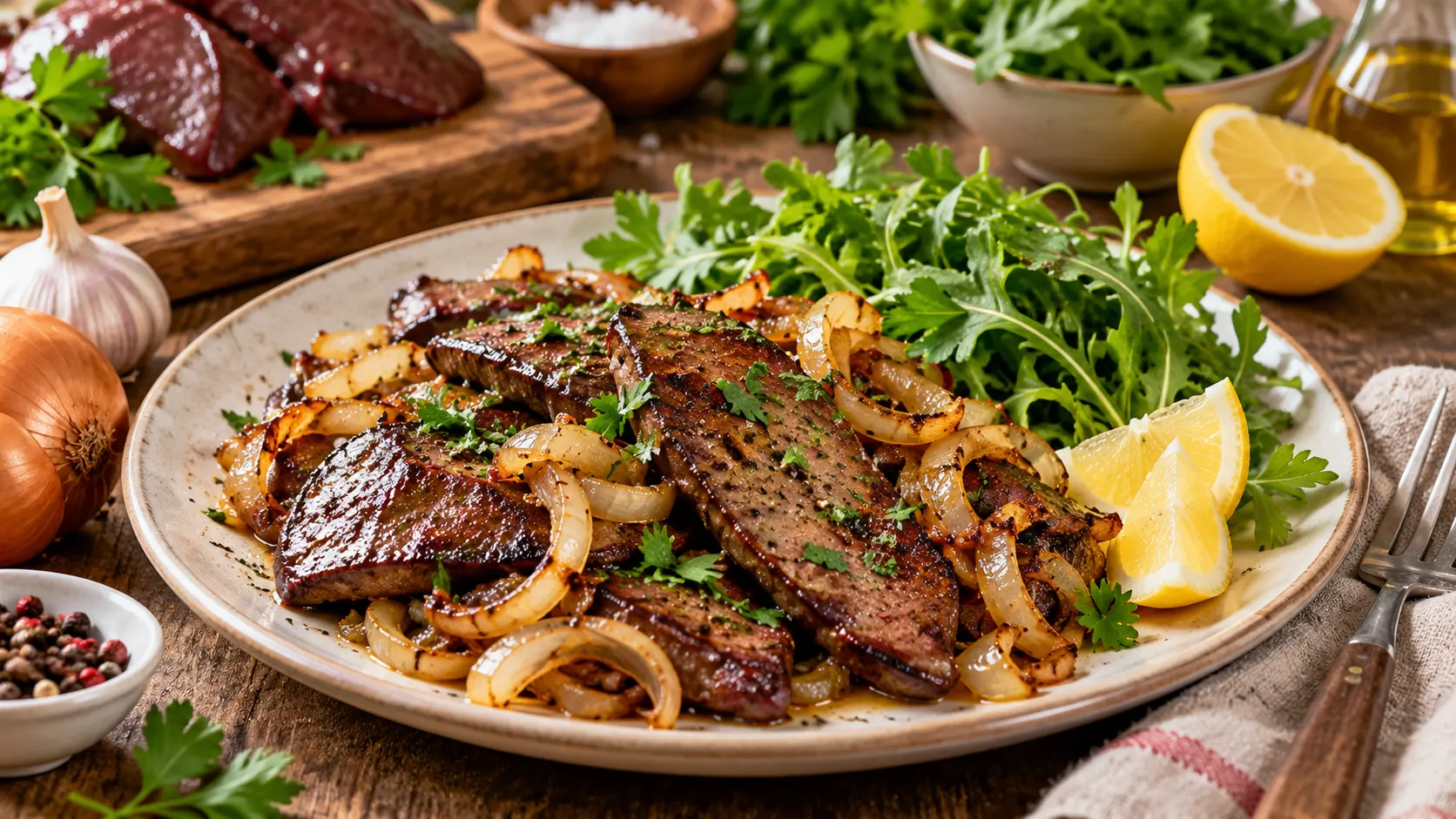

Beef liver is one of the most nutrient-dense animal foods, providing an impressive combination of protein, vitamins, and essential minerals. Although organ meats are less common in some modern diets, beef liver has been enjoyed in traditional cuisines for generations. Its rich nutritional profile makes it an interesting option for people who want to understand the benefits of different whole foods.
Beef liver nutrition stands out because it contains substantial amounts of vitamin A, vitamin B12, iron, copper, and other important nutrients. These substances support functions such as red blood cell production, energy metabolism, and normal immune activity. However, the unusually high concentration of certain nutrients also means that eating liver too frequently can create health concerns.
Understanding the nutritional benefits, preparation methods, and potential risks of beef liver can help you make informed dietary choices. This guide explains what beef liver contains, how its nutrients support the body, and how to enjoy it as part of a varied, balanced eating pattern.
What Is Beef Liver?
Beef liver is an organ meat obtained from cattle and commonly prepared as food in many parts of the world. It belongs to a group of edible animal organs sometimes called offal. Unlike regular muscle meat, liver has a distinctive texture, strong flavor, and unusually concentrated nutritional composition. It is commonly prepared through sautéing, braising, or incorporating it into traditional dishes.
The liver is an important organ involved in nutrient metabolism, storage, and the processing of substances in the body. Because of these functions, beef liver naturally contains substantial amounts of several vitamins and minerals. However, the idea that liver automatically stores dangerous toxins is misleading. Food safety depends more on sourcing, handling, contamination, and proper cooking.
People who enjoy beef liver often appreciate its rich flavor and versatility in cooking. It can be combined with onions, vegetables, herbs, and seasonings to create satisfying meals. Although it offers valuable nutrients, it is not necessary for a healthy diet. Many of its nutritional components are also available through other animal and plant foods.
Beef Liver Nutrition Facts and Key Nutrients
Beef liver provides substantial protein along with numerous essential vitamins and minerals. A cooked portion of approximately 100 grams generally contains around 25 to 30 grams of protein, depending on preparation. It also supplies vitamin A, vitamin B12, riboflavin, folate, iron, and copper. These nutrients participate in many processes necessary for normal body function.
One of the most notable characteristics of beef liver is its high concentration of preformed vitamin A, also called retinol. This nutrient supports normal vision, immune function, and cellular development. Beef liver also provides significant amounts of copper, which contributes to several enzyme systems. Because both nutrients can cause harm in excessive amounts, moderation is important.
The nutritional composition of beef liver varies depending on the animal, cooking method, and portion size. Cooking can change moisture content and affect the concentration of nutrients measured by weight. Some vitamins are also sensitive to heat. Nutrition labels and food composition databases therefore provide estimates rather than identical values for every serving.
Beef Liver Benefits for Iron and Red Blood Cell Production
Iron is an essential mineral involved in producing hemoglobin, the protein that carries oxygen through the bloodstream. Beef liver contains heme iron, a form found in animal foods that is generally absorbed more efficiently than non-heme iron. This makes liver a concentrated dietary source of an important nutrient. Adequate iron supports normal oxygen transport and physical function.
Beef liver also contains vitamin B12 and folate, which are necessary for healthy red blood cell production. Deficiencies in these nutrients can contribute to different forms of anemia. Eating foods containing them helps support normal nutritional intake. However, liver should not be considered a treatment for anemia without identifying the underlying cause.
People experiencing persistent fatigue, weakness, or other symptoms associated with anemia should seek appropriate medical evaluation. Blood tests may help determine whether iron, vitamin B12, or another factor is involved. Excess iron intake can also be harmful in certain circumstances. Dietary choices and supplements should reflect individual needs rather than assumptions about nutrient deficiencies.
How Beef Liver Supports Energy Metabolism
Beef liver contains several B vitamins involved in converting food into usable energy. These include vitamin B12, riboflavin, niacin, and folate. The body uses these nutrients in biochemical reactions that support normal cellular metabolism. Their presence makes liver a useful dietary source of essential nutrients, although eating additional amounts does not automatically increase energy levels.
Vitamin B12 is particularly important for normal nerve function and red blood cell formation. Riboflavin participates in cellular energy pathways, while niacin contributes to numerous metabolic reactions. Together, these nutrients support processes that help the body function properly. However, people who already consume sufficient amounts may not experience noticeable benefits from increasing their intake.
Low energy can result from many factors, including inadequate sleep, illness, stress, and certain nutritional deficiencies. Eating beef liver cannot address every possible cause of fatigue. A varied diet that provides enough food and essential nutrients is more important than relying on one ingredient. Persistent tiredness should be assessed by a healthcare professional.
Beef Liver Benefits for Immune System Function
Several nutrients found in beef liver contribute to the normal functioning of the immune system. Vitamin A helps maintain healthy skin and mucous membranes, which form part of the body’s protective barriers. Iron and copper also participate in biological processes that support normal immune activity. Meeting nutritional needs is important for maintaining these functions.
Beef liver provides vitamin B12 and other micronutrients that support normal cell development and metabolism. These functions are relevant because the immune system depends on healthy cells and coordinated biological responses. However, consuming large amounts of liver does not necessarily strengthen immunity beyond normal function. Excessive intake of certain nutrients may create additional health risks.
A healthy immune system depends on more than one food or vitamin. Balanced nutrition, adequate sleep, physical activity, and appropriate medical care all play important roles. Fruits, vegetables, whole grains, proteins, and healthy fats contribute different nutrients. Beef liver can be one option within this variety rather than a food required for immune protection.
Beef Liver and Healthy Vision
Vitamin A is essential for normal vision, particularly the ability to see under low-light conditions. Beef liver is an exceptionally concentrated source of preformed vitamin A, which the body can use directly. This nutrient contributes to the normal functioning of the retina. Adequate vitamin A intake also supports the maintenance of healthy eye tissues.
Vitamin A deficiency can cause problems with night vision and, in severe cases, more serious eye complications. However, consuming large amounts of vitamin A when intake is already sufficient does not improve eyesight beyond normal function. Beef liver’s high concentration makes portion awareness especially important. Excessive preformed vitamin A can accumulate and become harmful.
People can obtain vitamin A through several dietary sources. Eggs, dairy products, and certain animal foods provide preformed vitamin A, while carrots and leafy vegetables supply provitamin A carotenoids. Eating a variety of these foods supports normal nutritional intake. Beef liver is not essential for maintaining healthy vision when dietary requirements are otherwise met.
Beef Liver Benefits for Protein and Muscle Function
Protein is necessary for building and maintaining muscles, repairing tissues, and producing numerous enzymes and hormones. Beef liver provides complete protein containing all nine essential amino acids. These amino acids must come from dietary sources because the body cannot produce sufficient quantities independently. Liver can therefore contribute to overall protein intake as part of balanced meals.
Protein requirements vary according to age, activity, health conditions, and other individual factors. Beef liver offers a concentrated source, but many foods provide similar protein benefits. Fish, poultry, eggs, dairy products, beans, and lentils are useful alternatives. A varied approach helps supply protein alongside other nutrients without excessive reliance on one particular food.
Muscle health also depends on regular movement, adequate rest, and sufficient overall nutrition. Eating protein-rich foods supports these needs but does not independently create muscle growth or improve physical performance. Beef liver can be included when it suits personal preferences. Its unusually high vitamin A and copper content makes moderation more important than maximizing consumption.
Beef Liver and Brain and Nervous System Health
Vitamin B12 is essential for maintaining normal nerve function and supporting the production of myelin, a protective covering around many nerve fibers. Beef liver provides substantial amounts of this nutrient. Adequate vitamin B12 also contributes to red blood cell formation and cellular metabolism. These functions are important for overall neurological health.
Folate, another nutrient found in beef liver, participates in DNA synthesis and normal cellular development. Copper and iron also contribute to biological processes relevant to nervous system function. However, the presence of these nutrients does not prove that eating liver improves memory, concentration, or intelligence. Such claims require specific clinical evidence.
A balanced diet supports brain health by providing essential nutrients from several food groups. Whole grains, vegetables, fruits, legumes, fish, and other protein sources all have valuable roles. People experiencing persistent neurological symptoms should seek medical assessment. Beef liver should not replace appropriate treatment for vitamin deficiencies or neurological conditions.
Beef Liver and Skin Health
Beef liver contains nutrients that contribute to normal skin structure and cellular development. Vitamin A supports the maintenance and differentiation of epithelial cells, including cells found in the skin. Protein provides amino acids used in tissue repair and maintenance. Copper also participates in processes associated with connective tissue formation.
These nutritional functions do not mean eating large amounts of beef liver will automatically improve skin appearance. Skin health depends on genetics, environmental exposure, hydration, overall nutrition, and underlying medical conditions. Excessive vitamin A intake can cause unwanted symptoms, including skin changes. More of a beneficial nutrient is not always better.
A varied diet containing sufficient protein, vitamins, minerals, and healthy fats helps support normal skin function. Vegetables, fruits, nuts, seeds, and other foods contribute complementary nutrients. Beef liver can provide some of these components, but it is not required for healthy skin. Persistent skin problems should be evaluated according to their underlying causes.
How to Cook Beef Liver for Better Flavor
Beef liver has a stronger flavor than many familiar cuts of meat, which can make it an acquired taste. Proper preparation can improve its texture and make meals more appealing. Common ingredients include onions, garlic, black pepper, and fresh herbs. Pairing liver with vegetables or mild side dishes can balance its distinctive flavor.
Before cooking, inspect the liver and remove any tough membranes or visible connective tissue when necessary. Some cooks soak liver in milk to soften its flavor, although this is primarily a culinary preference. Keep raw liver refrigerated and separate from ready-to-eat ingredients. Always use clean utensils and avoid cross-contamination during preparation.
Beef liver can be sautéed, braised, or incorporated into thoroughly cooked recipes. Cooking time depends on thickness and the chosen method. For food safety, beef organ meats should reach an internal temperature of 160°F (71°C), checked with a food thermometer. Proper cooking is especially important because undercooked organ meats can carry harmful microorganisms.
Easy Ways to Include Beef Liver in Meals
One traditional preparation combines beef liver with sautéed onions and mild seasonings. The onions provide sweetness that complements the liver’s strong flavor. This dish can be served alongside cooked vegetables, potatoes, or other familiar foods. Using ordinary household ingredients makes it possible to prepare flavorful meals without complicated cooking techniques.
Another option is to add a modest amount of finely chopped liver to a thoroughly cooked meat-based dish. Its flavor may blend with ingredients such as tomatoes, garlic, herbs, and vegetables. This method can make the taste less noticeable for people unfamiliar with organ meats. However, liver should still be handled and cooked using appropriate food safety practices.
Some cuisines also use cooked liver in pâtés, spreads, or stews. These preparations offer different textures and flavors depending on their ingredients. Choosing recipes that suit household preferences can make liver more enjoyable. Since liver contains unusually high amounts of vitamin A and copper, it is better treated as an occasional food rather than a daily necessity.
Potential Risks of Eating Too Much Beef Liver
The most important concern associated with frequent or excessive beef liver consumption is its high concentration of preformed vitamin A. Unlike many water-soluble vitamins, preformed vitamin A can accumulate in the body. Excessive intake may cause headaches, nausea, and other serious health effects. Regularly eating large portions increases the possibility of exceeding recommended upper intake limits.
Beef liver also contains substantial amounts of copper, an essential mineral that can become harmful when consumed excessively. People with certain conditions affecting copper metabolism require particular caution. Liver additionally contains dietary cholesterol, which may be relevant for individuals following specific medical dietary recommendations. Personal health circumstances should guide food choices.
Pregnant individuals should generally avoid beef liver and liver products because their high preformed vitamin A content can create risks during fetal development. People with iron overload disorders or other relevant medical conditions may also need restrictions. A qualified healthcare professional can provide individualized advice. Nutrient density is valuable, but excessive intake is not automatically healthier.
Beef Liver Compared With Other Protein Sources
Beef liver differs from ordinary beef muscle meat because it contains much higher concentrations of several vitamins and minerals. Both foods provide complete protein, but their micronutrient profiles are not identical. Liver is particularly rich in vitamin A, vitamin B12, and copper. Regular beef offers valuable nutrients without the same extreme concentration of preformed vitamin A.
Chicken liver is another commonly consumed organ meat with substantial amounts of iron, folate, and vitamin A. However, its exact nutrient concentrations differ from beef liver. Fish, eggs, and dairy products provide additional nutritional options. Comparing foods based on overall dietary needs is more useful than assuming one ingredient is superior in every respect.
Plant foods also contribute valuable nutrients, including fiber, vitamins, minerals, and protective plant compounds. Beans, lentils, whole grains, nuts, and vegetables complement animal-based protein sources within varied diets. No single food provides everything the body needs. Beef liver may be nutritionally concentrated, but balanced eating depends on diversity and appropriate portions.
Conclusion
Beef liver is a nutrient-dense organ meat that provides protein, iron, vitamin A, vitamin B12, copper, and several other essential nutrients. These substances support normal cellular energy metabolism, red blood cell production, immune function, vision, and tissue maintenance. Its nutritional value makes it an interesting food, although it is not necessary for everyone.
Understanding how to prepare beef liver safely is just as important as recognizing its nutritional benefits. Traditional recipes featuring onions, vegetables, and herbs can make its distinctive flavor more enjoyable. Thorough cooking and hygienic handling help reduce foodborne illness risks. Its concentrated vitamin A and copper content also make occasional consumption more appropriate than frequent large servings.
A healthy diet depends on variety, sufficient nutrition, and choices that suit individual medical circumstances. Beef liver can contribute useful nutrients when included appropriately, but excessive consumption may be harmful. Pregnant individuals and people with certain health conditions require particular caution. Making informed food choices is more beneficial than relying on any single nutrient-dense ingredient.
Frequently Asked Questions (FAQs)
Is Beef Liver Good for Your Health?
Beef liver provides protein, iron, vitamin B12, and other important nutrients. However, its high vitamin A and copper concentrations mean excessive consumption can be harmful, so it is best considered an occasional food.
Can You Eat Beef Liver Every Day?
Daily beef liver consumption is generally not advisable because it contains exceptionally high amounts of preformed vitamin A and copper. Frequent portions may increase the risk of excessive nutrient intake.
Is Beef Liver Better Than Regular Beef?
Beef liver contains higher concentrations of several vitamins and minerals than regular muscle meat. However, it also contains much more preformed vitamin A, making it unsuitable for frequent large servings.
What Is the Healthiest Way to Cook Beef Liver?
Sautéing or braising beef liver with vegetables can create a nutritious meal. Cook it to an internal temperature of 160°F (71°C), and avoid cross-contamination with raw ingredients during preparation.
Who Should Avoid Eating Beef Liver?
Pregnant individuals should generally avoid liver because of its high preformed vitamin A content. People with copper metabolism disorders, iron overload conditions, or specific medical restrictions should seek individualized dietary guidance.