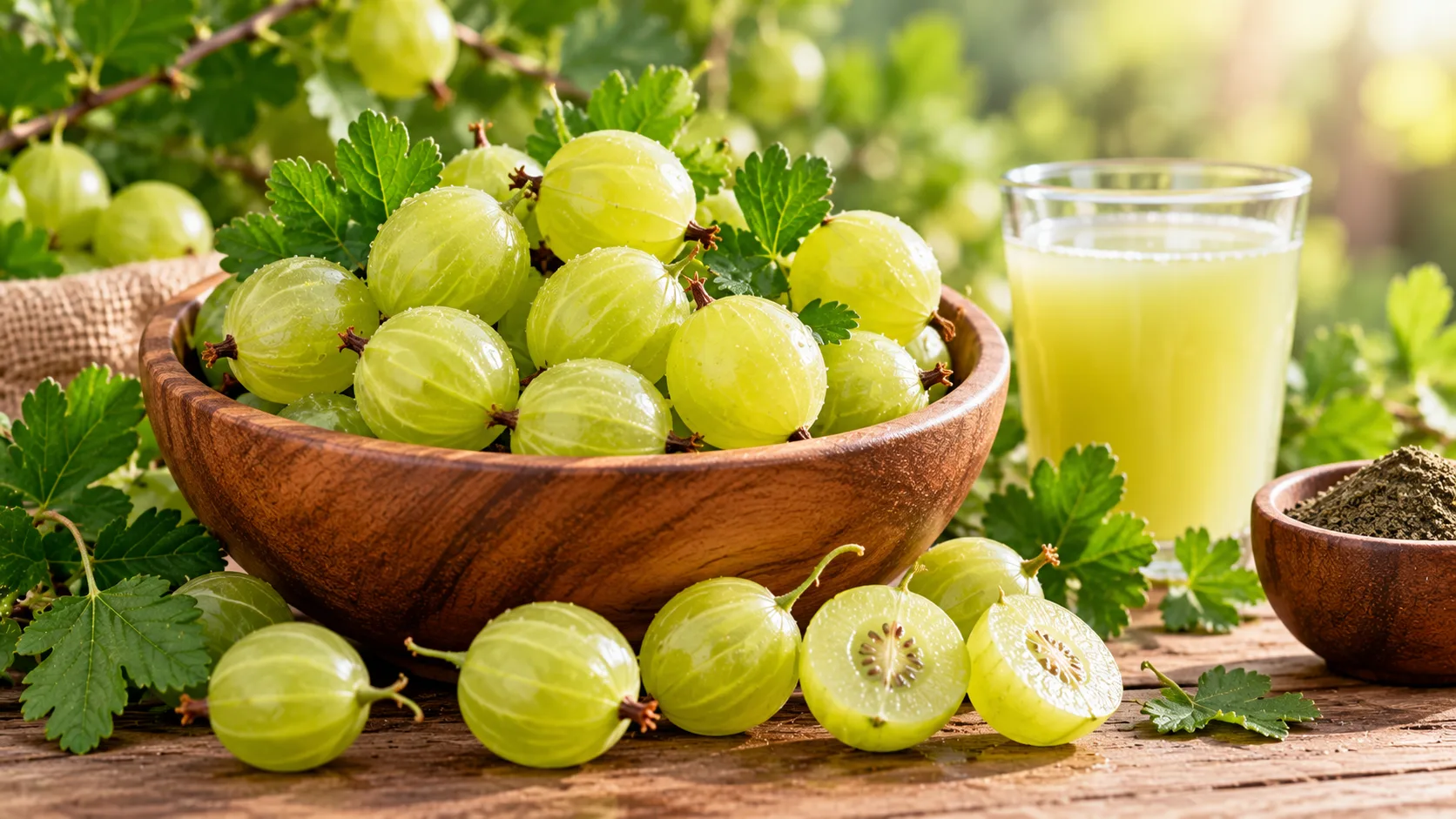

Gooseberries are small, flavorful fruits known for their refreshing tartness, impressive nutritional profile, and versatility in everyday meals. Available in green, yellow, red, and purple varieties, these berries provide dietary fiber, vitamin C, and naturally occurring plant compounds. Their unique taste makes them popular in traditional recipes, homemade desserts, jams, and refreshing drinks.
Gooseberry benefits have attracted attention because these fruits contain nutrients that support digestion, immune function, skin health, and normal cellular activity. Some varieties also contain antioxidant compounds that researchers are investigating for their potential health effects. However, gooseberries should be appreciated as nutritious foods rather than treatments for specific medical conditions.
Understanding gooseberry nutrition, potential benefits, culinary uses, and possible side effects can help you make informed food choices. This guide explores different gooseberry varieties, their nutritional properties, practical preparation methods, and ways to include them in a balanced diet.
What Are Gooseberries?
Gooseberries are edible fruits produced by several different plants, most commonly species belonging to the Ribes genus. European gooseberries, scientifically known as Ribes uva-crispa, are especially familiar in gardens and traditional cooking. These berries typically grow on thorny shrubs and develop distinctive translucent skins. Their flavor ranges from sharply tart to pleasantly sweet depending on ripeness.
The term gooseberry is also used for Indian gooseberry, commonly called amla and scientifically known as Phyllanthus emblica. Despite sharing a common name, Indian gooseberry belongs to a different botanical family. Its flavor, traditional uses, and nutritional characteristics differ from those of European gooseberries. Recognizing this distinction is important when comparing research findings and health claims.
Gooseberries are enjoyed fresh, cooked, dried, or processed into various food products. European varieties are particularly popular in pies, preserves, and fruit sauces. Indian gooseberry is frequently used in chutneys, pickles, and traditional preparations. Both offer interesting culinary possibilities, although their nutrient concentrations and preparation methods can differ considerably.
Gooseberry Nutrition Facts and Key Nutrients
Fresh European gooseberries provide water, carbohydrates, dietary fiber, and several important vitamins and minerals. A 100-gram portion contains approximately 44 calories, although values vary by variety and growing conditions. These berries are particularly recognized for their vitamin C content. They also provide smaller quantities of potassium, manganese, and other essential nutrients.
Dietary fiber is another valuable component of gooseberry nutrition. Fiber supports normal digestion and contributes to healthy bowel function. Gooseberries also contain naturally occurring organic acids that influence their characteristic tart flavor. The combination of water, fiber, and nutrients makes them a useful addition to meals containing a variety of fruits.
Indian gooseberry can have a different nutritional profile, including substantial vitamin C content in certain varieties. Processing, storage, and preparation may influence nutrient levels in both types. Fresh berries and sweetened preserves are not nutritionally identical. Reading labels and considering preparation methods helps provide a clearer understanding of their actual nutritional contribution.
Gooseberry Benefits for Immune System Support
Vitamin C is essential for the normal functioning of the immune system. Gooseberries provide this nutrient, making them a useful part of a varied fruit intake. Vitamin C contributes to several immune-related processes and helps maintain healthy protective tissues. However, eating additional vitamin C beyond normal nutritional needs does not automatically prevent infections.
Gooseberries also contain plant compounds that have attracted interest in antioxidant research. Some of these substances may participate in biological processes relevant to cellular protection. Nevertheless, laboratory findings do not establish that gooseberries prevent colds, flu, or other infectious diseases. Stronger human evidence is needed before making specific disease-prevention claims.
Healthy immune function depends on multiple lifestyle and nutritional factors. Adequate sleep, regular physical activity, balanced meals, and appropriate medical care all contribute to overall well-being. Gooseberries can supply useful nutrients within this broader approach. They should not replace recommended vaccinations, prescribed treatments, or professional medical advice when illness occurs.
Antioxidant Properties of Gooseberries
Gooseberries contain naturally occurring antioxidants, including vitamin C and various phenolic compounds. Some varieties also provide anthocyanins, especially when their skins develop red or purple coloring. These pigments contribute to fruit appearance and have attracted scientific attention. Antioxidant substances participate in reactions that help protect cellular components from oxidative damage.
Laboratory studies have examined the antioxidant activity of gooseberry extracts and their constituent compounds. Results suggest that certain preparations can influence oxidative reactions under controlled conditions. However, these findings cannot automatically be translated into measurable health outcomes after eating whole fruit. Absorption, metabolism, and overall dietary patterns all influence biological effects.
A colorful selection of fruits and vegetables provides many different antioxidant-related nutrients. Gooseberries can contribute to this variety alongside berries, citrus fruits, leafy vegetables, and other produce. No individual fruit can replace a balanced diet. Claims that gooseberries prevent aging or serious diseases require stronger clinical evidence than laboratory antioxidant measurements alone.
How Gooseberries Support Digestive Health
Gooseberries contain dietary fiber, which plays an important role in normal digestive function. Fiber helps support regular bowel movements and contributes to the consistency of digestive contents. Eating fiber-rich fruits can also increase dietary variety. Gooseberries are therefore a practical option for people interested in obtaining fiber from whole foods.
Some dietary fibers support the activity of beneficial intestinal microorganisms. However, the specific effects depend on the type of fiber and an individual’s digestive system. Gooseberries should not be considered a proven treatment for constipation or digestive disorders. Their main benefit comes from contributing to overall fiber intake as part of balanced meals.
People unfamiliar with fiber-rich foods may occasionally experience temporary bloating or abdominal discomfort. Introducing different fruits gradually can help identify personal tolerance. Drinking sufficient water also supports normal digestive function. Persistent pain, unusual bowel changes, or severe digestive symptoms should receive medical evaluation rather than being managed solely through dietary changes.
Gooseberry Benefits for Skin Health
Vitamin C contributes to normal collagen formation, making it an important nutrient for healthy skin. Collagen is a structural protein involved in maintaining the strength and integrity of skin and other connective tissues. Gooseberries provide vitamin C along with various plant compounds. Their nutritional contribution can support normal tissue maintenance within a balanced diet.
Antioxidant-related compounds in gooseberries have also attracted attention in research involving skin health. Laboratory studies sometimes examine whether these substances influence oxidative processes. However, such findings do not prove that eating gooseberries removes wrinkles or reverses skin aging. Claims about dramatic cosmetic improvements should therefore be interpreted cautiously.
Skin health depends on genetics, nutrition, hydration, environmental exposure, and everyday care. A varied diet helps provide nutrients involved in tissue maintenance. Gooseberries can be included alongside other fruits and vegetables without being treated as beauty treatments. Appropriate sun protection and medical guidance remain important for maintaining healthy skin.
Gooseberries and Heart Health
Gooseberries provide dietary fiber and potassium, both of which contribute to normal nutritional intake. Potassium helps maintain normal nerve and muscle function and plays a role in fluid balance. Some plant compounds found in gooseberries have also been investigated for possible cardiovascular effects. However, evidence supporting specific heart-related benefits remains limited.
Research involving Indian gooseberry extracts has explored changes in cholesterol and other metabolic measurements. Some studies have reported potentially favorable results, although preparations and study methods vary. These findings cannot automatically be applied to European gooseberries or ordinary fruit consumption. More rigorous research is needed to establish meaningful clinical outcomes.
Maintaining cardiovascular health involves broader habits such as regular activity, balanced nutrition, adequate sleep, and appropriate medical treatment. A diet containing different fruits, vegetables, legumes, and whole grains can support these goals. Gooseberries offer another nutritious choice within this variety. They should not replace prescribed cholesterol or blood pressure medications.
Can Gooseberries Support Blood Sugar Management?
Whole gooseberries contain fiber along with naturally occurring sugars and other carbohydrates. Fiber can influence digestion and the absorption of nutrients when consumed as part of meals. This makes whole fruit different from heavily sweetened products. However, the presence of fiber does not establish gooseberries as a treatment for diabetes.
Some studies involving Indian gooseberry preparations have investigated blood glucose and related metabolic markers. Results suggest possible effects under certain research conditions, but evidence remains incomplete. Concentrated extracts may behave differently from ordinary fruit. Therefore, findings involving supplements should not be interpreted as proof that fresh gooseberries lower blood sugar reliably.
People managing diabetes can discuss fruit choices with their healthcare team as part of individualized nutrition planning. Whole fruits offer fiber and nutrients, while sweetened juices and preserves may contain additional sugars. Gooseberries can fit into varied meals when appropriate. Prescribed medications and established diabetes care should never be replaced by fruit-based remedies.
Gooseberries and Healthy Vision
Gooseberries provide vitamin C, which contributes to normal cellular functions throughout the body. Certain varieties also contain carotenoids and other plant compounds that researchers have investigated for their biological properties. However, their presence does not establish that eating gooseberries directly improves eyesight. Strong claims about vision restoration lack reliable clinical evidence.
Good eye health depends on several factors, including genetics, age, underlying medical conditions, and nutritional habits. A varied diet can provide nutrients involved in maintaining normal eye tissues. Gooseberries may contribute to this intake alongside other fruits and vegetables. They should not be considered a substitute for established eye care.
Regular eye examinations are particularly important for people experiencing changes in vision or managing relevant medical conditions. Protective habits and appropriate treatment can help address preventable problems. Eating nutritious foods contributes to general well-being but cannot correct every eye condition. Gooseberries are best enjoyed as part of a balanced diet rather than as a vision remedy.
Gooseberries and Bone Health
Gooseberries contain small amounts of minerals involved in normal body functions, including manganese and potassium. Manganese contributes to processes associated with connective tissue and bone formation. However, gooseberries are not a particularly concentrated source of calcium. Their nutritional contribution should therefore be considered within the context of a varied diet.
Strong bones depend on adequate nutrition, appropriate movement, and several other factors. Calcium, vitamin D, protein, and additional nutrients are important for skeletal health. Gooseberries can contribute some complementary nutrients but cannot independently meet these requirements. Eating one particular fruit does not guarantee stronger bones or prevent fractures.
A balanced eating pattern can include dairy foods or suitable alternatives, vegetables, legumes, and other nutrient-rich ingredients. Regular physical activity also supports normal bone development and maintenance. Anyone concerned about bone health should seek individualized guidance when necessary. Gooseberries provide dietary variety rather than a specialized treatment for skeletal conditions.
European Gooseberries vs. Indian Gooseberries
European gooseberries and Indian gooseberries share a common name but come from different plant families. European gooseberries usually grow on thorny shrubs and produce small fruits with translucent skins. Their flavor ranges from tart to sweet. Indian gooseberry, or amla, grows on trees and typically has a firm texture with a distinctly sour taste.
The two fruits also differ in their traditional culinary uses. European gooseberries are commonly prepared in desserts, jams, sauces, and baked dishes. Indian gooseberries are often used in chutneys, pickles, dried preparations, and traditional recipes. These differences reflect their cultural histories and flavor characteristics rather than a simple distinction between healthier and less healthy foods.
Scientific studies involving Indian gooseberry extracts should not automatically be applied to European gooseberries. Their chemical compositions and concentrations of plant compounds can differ. Even research involving one variety may not establish benefits for every preparation. Accurate botanical identification is important when evaluating gooseberry nutrition and health-related claims.
How to Eat Fresh Gooseberries
Fresh gooseberries can be enjoyed directly when they are ripe, properly washed, and suitable for consumption. Some varieties remain tart even when mature, while others develop noticeable sweetness. Removing the small stem and blossom ends can improve their texture. Their refreshing flavor makes them an interesting alternative to more familiar berries.
Gooseberries can also be combined with yogurt, oatmeal, or other breakfast foods. Their natural tartness complements mild or creamy ingredients. Adding them to fruit salads creates contrast alongside sweeter fruits. These simple preparations preserve the whole fruit’s fiber while offering convenient ways to include it in everyday meals.
For people who prefer softer textures, gooseberries can be lightly cooked and added to suitable dishes. Cooking changes their structure and may reduce some heat-sensitive nutrients. However, it also creates different flavors and culinary possibilities. Choosing fresh or cooked gooseberries depends mainly on personal preference and the recipe being prepared.
Popular Culinary Uses of Gooseberries
Gooseberries are well known for their use in jams, preserves, pies, and traditional desserts. Their natural tartness works well in recipes that balance sour and sweet flavors. Cooking softens the fruit and allows it to blend with other ingredients. European gooseberries are especially popular in baked dishes and homemade fruit sauces.
Gooseberry sauces can complement savory meals as well as desserts. Their acidity creates an interesting contrast with rich ingredients and roasted foods. Some recipes combine gooseberries with herbs or mild seasonings. These preparations demonstrate how versatile the fruit can be beyond conventional sweet dishes.
Indian gooseberry is commonly prepared in chutneys, pickles, and traditional savory recipes. Its strong sour flavor pairs well with spices and other ingredients. Some commercial products are heavily sweetened or salted, which changes their nutritional characteristics. Reading labels helps distinguish simple fruit preparations from products containing substantial added ingredients.
Fresh, Frozen, and Dried Gooseberries
Fresh gooseberries offer a crisp texture and refreshing flavor when available in season. They contain substantial moisture and can be used in uncooked dishes or prepared recipes. Their storage life is limited, particularly after becoming fully ripe. Refrigeration and careful handling help maintain quality for a short period.
Frozen gooseberries provide another convenient option when fresh fruit is unavailable. Proper freezing can preserve much of their nutritional value, although thawing may soften their texture. Frozen berries work particularly well in cooked recipes, sauces, and desserts. Products without unnecessary added ingredients offer greater flexibility for different preparations.
Dried gooseberries are more concentrated because much of their water has been removed. They may have a chewy texture and stronger flavor than fresh berries. Some products contain added sugar or other ingredients that influence their nutritional composition. Comparing food labels helps identify products that suit individual preferences and dietary needs.
Possible Side Effects of Gooseberries
Gooseberries are generally consumed safely as food, but individual reactions can occur. Some people may experience mild digestive discomfort, particularly after eating unfamiliar quantities of tart or fiber-containing fruit. Symptoms can include bloating or temporary stomach irritation. The likelihood of these effects depends on individual tolerance and preparation methods.
Allergic reactions are possible with many foods, including gooseberries, although they are not commonly reported. Symptoms may include itching, swelling, or other signs of sensitivity. Anyone experiencing a concerning reaction should stop consuming the food and seek appropriate medical guidance. Severe allergic symptoms require urgent medical attention.
Concentrated Indian gooseberry supplements may present additional considerations because they differ from ordinary food portions. Some preparations have been studied for effects on blood glucose and clotting-related processes, but interaction evidence remains limited. People taking prescription medications should discuss herbal supplements with their healthcare team. Whole fruit and medicinal extracts should not be treated as equivalent.
How to Select and Store Gooseberries
When purchasing fresh gooseberries, look for fruits that appear intact and free from visible mold or significant damage. Color varies naturally depending on the variety and ripeness. Some ripe gooseberries remain green, while others turn yellow, red, or purple. Firmness and appearance can help indicate freshness, although flavor preferences differ.
Fresh gooseberries should generally be refrigerated and handled carefully to reduce spoilage. Avoid washing them far in advance if excess moisture may shorten storage life. Rinse them under clean running water before eating or cooking. Discard berries showing obvious signs of deterioration rather than attempting to use spoiled fruit.
Frozen and dried gooseberries should be stored according to the manufacturer’s instructions. Sealed packaging protects dried fruit from moisture and contamination. Frozen products should remain appropriately chilled until needed. Good storage practices help preserve flavor, texture, and food quality while reducing unnecessary waste.
Conclusion
Gooseberries are nutritious fruits that provide dietary fiber, vitamin C, and various naturally occurring plant compounds. Their nutritional composition supports normal body functions, including digestion, immune activity, and tissue maintenance. Researchers have also investigated possible antioxidant and metabolic effects, although many specific health claims require stronger clinical evidence.
European gooseberries and Indian gooseberries offer different flavors, culinary traditions, and nutritional characteristics. Fresh, frozen, dried, and cooked preparations make these fruits versatile ingredients for everyday meals. They can be enjoyed in salads, breakfasts, sauces, desserts, and traditional recipes. Choosing suitable preparations helps maintain dietary variety and personal enjoyment.
Although gooseberries can contribute to balanced nutrition, they are not substitutes for medical treatment or healthy lifestyle habits. Most people can enjoy them as food, while those with allergies or concerns about concentrated supplements may need additional caution. Including gooseberries alongside other nutritious fruits and vegetables is a practical approach to enjoying their benefits.
Frequently Asked Questions (FAQs)
What Are the Main Health Benefits of Gooseberries?
Gooseberries provide vitamin C, dietary fiber, and plant compounds with antioxidant activity. These nutrients support normal digestion, immune function, and tissue maintenance, although evidence for preventing or treating specific diseases remains limited.
Can You Eat Gooseberries Every Day?
Gooseberries can be included regularly as part of a varied diet when personally tolerated. They provide useful nutrients, but relying on many different fruits and vegetables supports more complete nutrition.
Are Gooseberries Good for Digestion?
Yes, gooseberries contain dietary fiber, which contributes to normal bowel function. However, they are not proven treatments for digestive disorders, and excessive consumption may cause temporary discomfort in sensitive individuals.
Is Indian Gooseberry the Same as Regular Gooseberry?
No. Indian gooseberry, or amla, belongs to a different botanical family from European gooseberry. Their flavors, nutritional characteristics, traditional uses, and scientific research findings differ considerably.
Can Gooseberries Cause Side Effects?
Some individuals may experience digestive discomfort or allergic reactions. Concentrated Indian gooseberry supplements may introduce additional safety considerations, particularly for people taking medications, so professional guidance may be appropriate.