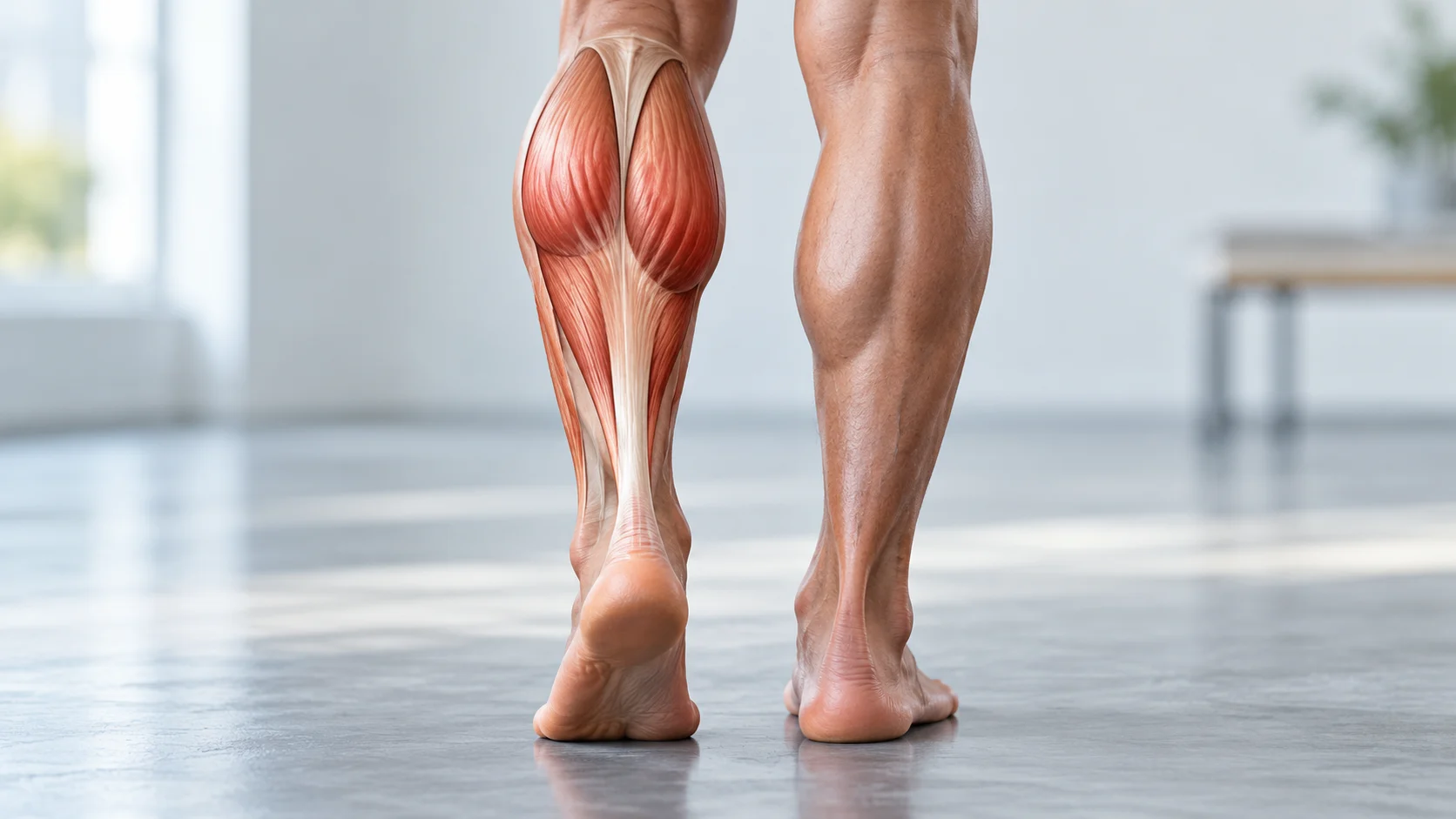

The calf muscle plays an important role in everyday movement, from walking and running to standing and climbing stairs. Located at the back of the lower leg, it helps support body weight, maintain balance, and move the ankle. Understanding calf muscle anatomy and function can help you appreciate how your legs work and why these muscles need proper care.
Although the calf may look like one large muscle, it contains several muscles that work together to produce movement and stability. These muscles connect with tendons, bones, nerves, and blood vessels to support lower-body activities. Learning about their structure, common problems, and strengthening exercises can help you maintain healthy calf muscles and move more comfortably.
What Is the Calf Muscle?
The calf muscle is a group of muscles located at the back of the lower leg, between the knee and ankle. It is responsible for several movements involving the foot, ankle, and lower leg. The calf helps lift the heel, push the body forward, and maintain stability while standing. Without these muscles, everyday movements such as walking and climbing stairs would become much more difficult.
The two primary muscles that form the calf are the gastrocnemius and soleus. These muscles work together to control ankle movement and generate force during physical activities. The gastrocnemius creates the rounded shape visible at the back of the leg, while the soleus lies underneath it. Both muscles connect to the heel through the Achilles tendon.
The calf also contains deeper muscles that contribute to foot and ankle control. These structures help support balance, posture, and coordinated movement during daily activities. Strong calf muscles can improve walking efficiency and support athletic activities that involve jumping, sprinting, or changing direction. Their importance extends beyond exercise because they also assist circulation in the lower legs.
Calf Muscle Anatomy Explained
Calf muscle anatomy includes several muscles, tendons, nerves, and blood vessels that work together to support movement. The superficial calf muscles are primarily the gastrocnemius and soleus, which form a powerful muscle group called the triceps surae. These muscles are responsible for plantar flexion, the movement that points the foot downward. Their coordinated contractions make walking, running, and jumping possible.
The gastrocnemius originates from the femur, or thigh bone, just above the knee. Because it crosses both the knee and ankle joints, it contributes to ankle movement and assists with knee bending. The soleus begins below the knee on the tibia and fibula. Unlike the gastrocnemius, it crosses only the ankle joint and plays an important role in maintaining standing posture.
Both muscles join through a shared tendon system that forms the Achilles tendon, which attaches to the heel bone. This connection transfers force from the calf muscles to the foot during movement. Nearby nerves deliver signals that control muscle contractions, while blood vessels supply oxygen and nutrients. Together, these structures allow the calf to perform demanding movements repeatedly throughout the day.
Gastrocnemius Muscle: Structure and Function
The gastrocnemius is the larger, more visible muscle at the back of the lower leg. It has two heads, commonly called the medial head and lateral head, which create the rounded appearance of the upper calf. The muscle begins above the knee and extends downward toward the Achilles tendon. Its structure allows it to generate powerful contractions during rapid movements.
One of the main functions of the gastrocnemius is plantar flexion, which occurs when the heel lifts from the ground. This action helps propel the body forward during walking and running. The muscle also assists with knee flexion because it crosses the knee joint. Activities such as sprinting, jumping, and standing on tiptoes require significant gastrocnemius involvement.
The gastrocnemius contains a relatively high proportion of fast-twitch muscle fibers compared with the soleus, although the exact composition varies. These fibers help produce strong contractions during explosive movements. However, the muscle can also become strained when subjected to sudden acceleration or excessive loading. Proper warm-ups, gradual conditioning, and adequate recovery can help reduce the risk of injury.
Soleus Muscle: Structure and Function
The soleus is a broad, flat muscle located beneath the gastrocnemius in the lower leg. It extends from the tibia and fibula toward the Achilles tendon and plays a major role in ankle plantar flexion. Although it is less visible than the gastrocnemius, the soleus is essential for supporting body weight. It works continuously during many standing and walking activities.
One of the most important functions of the soleus is maintaining posture while standing upright. The muscle helps prevent the lower leg from moving excessively forward over the ankle. It also provides controlled force during walking and other endurance activities. Because the soleus contains many fatigue-resistant muscle fibers, it can support repeated contractions over extended periods.
The soleus becomes particularly active when the knee is bent because this position reduces the mechanical contribution of the gastrocnemius. Seated calf raises and bent-knee heel raises can therefore emphasize soleus activity. Strengthening this muscle may improve lower-leg endurance and ankle stability. It can also support activities that require prolonged standing, walking, or controlled movement.
Other Muscles That Support Calf Function
Several deeper muscles contribute to lower-leg movement alongside the gastrocnemius and soleus. These include the tibialis posterior, flexor hallucis longus, and flexor digitorum longus. They lie within the deep posterior compartment of the leg and help control movements of the foot and toes. Their coordinated actions provide stability during walking, balancing, and uneven-ground movement.
The tibialis posterior helps support the arch of the foot and assists with inward foot movement. The flexor hallucis longus bends the big toe and contributes to the push-off phase of walking. Meanwhile, the flexor digitorum longus helps bend the smaller toes. These muscles work with the larger calf muscles to distribute forces and maintain controlled foot movement.
Another small muscle, called the plantaris, may also be present near the gastrocnemius and soleus. Its contribution to movement is relatively limited, and some people naturally lack this muscle. Together, the superficial and deep lower-leg muscles create a coordinated system for locomotion. Healthy muscle function depends on sufficient strength, flexibility, nerve control, and balanced movement patterns.
What Are the Main Functions of the Calf Muscle?
The primary function of the calf muscle is ankle plantar flexion, which allows the foot to point downward. This movement is important when pushing off the ground during walking or running. The calf also helps lift the heel when standing on tiptoes. These actions provide much of the force needed to move the body forward efficiently.
Another important calf muscle function is maintaining balance and posture during standing activities. The soleus and gastrocnemius help control how the lower leg moves over the foot. Small adjustments in muscle tension support stability when body weight shifts. This continuous activity helps people remain upright during standing, walking, and everyday movements requiring balance.
The calf muscles also support circulation through a process often called the calf muscle pump. When these muscles contract, they compress nearby veins and help move blood upward toward the heart. One-way valves within the veins help limit backward blood flow. Regular leg movement supports this mechanism, particularly during extended periods of sitting or standing.
How the Calf Muscles Work During Walking and Running
During walking, the calf muscles help control ankle movement as the body moves over the supporting foot. Early in the stance phase, the soleus helps regulate forward movement of the lower leg. As the heel begins to lift, the calf muscles contribute to pushing the body forward. This coordinated activity supports efficient walking and helps maintain stability.
Running places greater demands on the calf muscles because each step involves higher forces and quicker contractions. The gastrocnemius contributes to force generation, while the soleus provides substantial support during the stance phase. Both muscles help control ankle movement as the foot contacts and leaves the ground. The Achilles tendon also stores and releases elastic energy during running.
When jumping, the calf muscles work with the quadriceps, glutes, and other lower-body muscles to generate upward force. They contract rapidly to extend the ankle during takeoff. During landing, the calf muscles help control ankle movement and absorb some of the loading. Adequate strength and coordinated technique are important for performing these movements comfortably and safely.
Common Causes of Calf Muscle Pain
Calf muscle pain can develop from overuse, muscle strain, prolonged activity, or sudden increases in exercise intensity. A calf strain occurs when muscle fibers are overstretched or damaged by excessive force. Symptoms may include localized tenderness, discomfort during walking, and reduced movement. The severity varies depending on the extent of the injury and the tissues involved.
Muscle cramps are another common cause of calf discomfort, particularly during exercise or periods of rest. A cramp involves an involuntary muscle contraction that may cause temporary pain and tightness. Fatigue, unfamiliar activity, and certain medical conditions or medications can contribute. Although hydration is important, calf cramps do not always result from dehydration or an electrolyte imbalance.
Not every painful calf is caused by a muscle problem. Achilles tendon conditions, nerve irritation, and circulation problems can also produce discomfort in the lower leg. Sudden swelling, warmth, redness, or unexplained pain in one calf may indicate a blood clot and requires urgent medical assessment. Chest pain or difficulty breathing alongside these symptoms requires emergency medical attention.
Common Calf Muscle Injuries and Conditions
A calf muscle strain is one of the most frequently encountered injuries affecting the back of the lower leg. It commonly involves the gastrocnemius and may occur during sprinting, jumping, or sudden changes in direction. Depending on the injury, symptoms can include pain, swelling, and difficulty pushing off the foot. Recovery varies according to injury severity and individual circumstances.
Achilles tendinopathy is another condition that can cause discomfort near the calf and heel. It involves changes in the Achilles tendon, which connects the calf muscles to the heel bone. Symptoms often include tendon pain, stiffness, and reduced tolerance for physical activity. Appropriate load management and progressive rehabilitation may help restore function, depending on the diagnosis.
Other conditions affecting calf movement include muscle weakness, nerve-related problems, and chronic exertional compartment syndrome. These conditions may produce tightness, discomfort, or difficulty performing repetitive exercise. Because different problems can cause similar symptoms, an accurate diagnosis is important before selecting treatment. Persistent or worsening calf pain should be assessed by a qualified healthcare professional.
How to Strengthen Your Calf Muscles
Calf strengthening exercises can improve lower-leg strength, endurance, and the ability to handle everyday physical demands. Standing calf raises are a simple exercise that targets the gastrocnemius and soleus. Begin with both feet flat on the ground, slowly lift your heels, and lower them with control. A stable support can help maintain balance throughout the movement.
Seated calf raises provide another way to strengthen the lower leg while placing greater emphasis on the soleus. Sit with your knees bent and feet resting flat on the floor. Raise your heels while keeping the balls of your feet in contact with the ground, then lower slowly. Start with comfortable repetitions before increasing exercise difficulty.
Strength improvements generally occur when exercise resistance and volume increase gradually over time. Walking uphill, using appropriate resistance, and performing controlled heel raises can provide different training demands. Include adequate recovery between challenging sessions and avoid pushing through sharp pain. If you have a current injury or a medical condition, seek guidance before beginning a demanding strengthening routine.
Best Calf Muscle Stretches for Flexibility
Calf stretching can help maintain ankle mobility and address feelings of muscle tightness. A common gastrocnemius stretch involves standing with one foot behind the other and keeping the back knee straight. Lean gently forward while keeping the rear heel on the floor. You should feel a comfortable stretch along the upper portion of the calf.
To emphasize the soleus, perform a similar standing stretch with the back knee slightly bent. Keep the heel grounded and slowly move the knee forward until a gentle stretch develops lower in the calf. Avoid bouncing or forcing the ankle beyond a comfortable range. Holding the position briefly and repeating it may help improve flexibility over time.
Stretching is most useful when it addresses a genuine mobility limitation or supports a specific activity goal. Gentle movements after warming up are often more comfortable than forcing cold muscles into deep stretches. Stretching should not produce sharp pain or increase existing injury symptoms. It also does not replace strengthening, gradual training progression, or appropriate recovery.
How to Prevent Calf Muscle Injuries
Preventing calf muscle injuries begins with preparing the lower legs for the demands of physical activity. A gradual warm-up increases muscle activity and allows the body to transition into more demanding movements. Walking, controlled ankle movements, and gentle heel raises can form part of a practical routine. Sports activities may require additional movement-specific preparation.
Another important prevention strategy is increasing training demands gradually instead of making sudden changes. Rapid increases in running distance, sprint intensity, or jumping volume can overload calf tissues. Allowing sufficient recovery gives muscles and tendons time to adapt to repeated loading. Appropriate footwear and activity-specific conditioning may also help manage lower-leg stress.
Maintaining balanced lower-body strength supports coordination between the calves, hips, knees, and feet. Regular physical activity can help preserve muscle endurance and joint mobility. Pay attention to unusual soreness, recurring tightness, or changes in walking mechanics. Although no routine can prevent every injury, sensible training habits can reduce avoidable stress on the calf muscles.
When Should You See a Doctor for Calf Pain?
Mild calf soreness after unfamiliar exercise often improves with reduced activity and gradual recovery. However, pain that persists, becomes worse, or interferes with normal walking deserves medical attention. A healthcare professional can assess muscle strength, ankle movement, and possible injury-related symptoms. This evaluation helps identify whether the discomfort involves muscles, tendons, nerves, or another structure.
Seek prompt assessment if calf pain follows a sudden injury and you cannot bear weight normally. Significant swelling, marked weakness, or difficulty moving the ankle may indicate a more serious problem. Sudden pain accompanied by an unusual snapping sensation can also require evaluation. Avoid returning to demanding activities before the cause and severity of these symptoms are understood.
Certain symptoms require urgent care because they may involve problems beyond the muscles themselves. Unexplained swelling, warmth, redness, or tenderness in one leg can be associated with deep vein thrombosis. A cold, pale, or suddenly numb foot also requires urgent medical assessment. If calf symptoms occur alongside chest pain, fainting, or sudden shortness of breath, seek emergency help immediately.
Conclusion
The calf muscle is an essential part of the lower leg that supports walking, running, balance, and ankle movement. Its main components, the gastrocnemius and soleus, work together to produce force and maintain stability. Other muscles, tendons, nerves, and blood vessels contribute to coordinated lower-leg function. Understanding calf muscle anatomy makes it easier to recognize its importance in everyday activities.
Maintaining calf strength and mobility can support comfortable movement and improve tolerance for physical activity. Controlled strengthening exercises, appropriate stretching, and gradual training progression are useful elements of calf care. Recovery time is equally important, particularly after challenging workouts or unfamiliar activities. These habits help the lower legs adapt to everyday demands.
Calf pain should never be ignored when it is persistent, unexplained, or accompanied by concerning symptoms. While ordinary muscle soreness is often temporary, injuries and circulation problems may require professional assessment. Paying attention to changes in comfort, strength, and movement can help you respond appropriately. Healthy calf muscles support not only physical performance but also everyday mobility and independence.
Frequently Asked Questions (FAQs)
What are the two main muscles in the calf?
The two main calf muscles are the gastrocnemius and soleus. They work together to move the ankle, lift the heel, support standing posture, and help the body move forward during walking and running.
What is the main function of the calf muscle?
The main function of the calf muscle is plantar flexion, which points the foot downward. It also supports balance, walking, running, jumping, and circulation by helping move blood through the veins of the lower leg.
Why does my calf muscle hurt when I walk?
Calf pain while walking may result from muscle strain, overuse, tendon problems, or circulation issues. Persistent pain, particularly discomfort that repeatedly develops during walking and improves with rest, should be evaluated by a healthcare professional.
What exercises are best for strengthening calf muscles?
Standing calf raises, seated calf raises, and controlled single-leg heel raises can strengthen the calf muscles. The best exercise depends on your current strength, mobility, and any existing injuries or medical limitations.
How long does a calf muscle strain take to heal?
Recovery depends on the severity of the strain. Mild injuries may improve within a few weeks, while more significant muscle damage can require several weeks or months of rehabilitation and gradual return to activity.