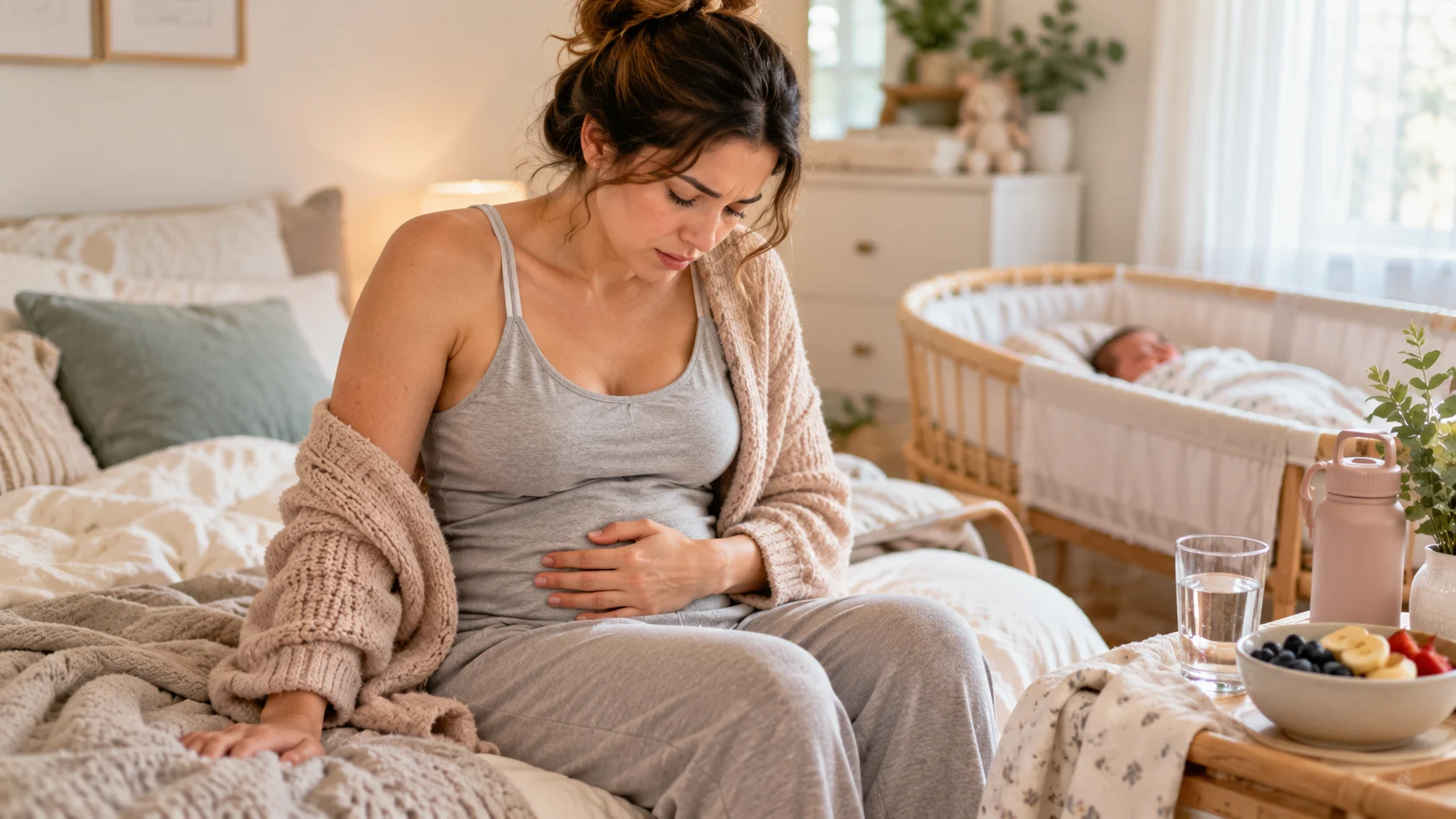

Postpartum constipation is a common concern for many people recovering from childbirth. After delivery, your body goes through several physical changes that can temporarily affect digestion and bowel movements. You may notice hard stools, bloating, or difficulty using the bathroom. Although these symptoms can feel uncomfortable, they often improve as your body recovers.
Understanding postpartum constipation can help you recognize what is normal and when additional support may be necessary. Factors such as hormonal changes, medications, reduced activity, and discomfort after delivery can influence bowel function. Fortunately, gentle lifestyle adjustments and appropriate medical guidance can often make recovery more comfortable.
This guide explains the causes, symptoms, recovery timeline, and practical ways to manage constipation after giving birth. It also covers important warning signs and when to contact a healthcare professional.
What Is Postpartum Constipation?
Postpartum constipation refers to difficulty passing bowel movements after childbirth. It may involve hard or dry stools, uncomfortable straining, or fewer bowel movements than usual. Some people also experience a feeling of incomplete emptying, even after using the bathroom. These symptoms can develop shortly after delivery and may continue during the early recovery period.
Constipation is generally associated with having fewer than three bowel movements per week, although frequency alone does not determine whether a problem exists. Someone who normally has daily bowel movements may notice uncomfortable changes even before reaching that threshold. Stool consistency, difficulty passing stool, and abdominal discomfort are also important signs.
The digestive system may need time to adjust after pregnancy and delivery. During this period, physical recovery, medication use, and changes in daily routines can affect normal bowel function. Occasional constipation is common, but persistent symptoms deserve attention, especially when they interfere with eating, comfort, or everyday activities.
Why Does Constipation Happen After Giving Birth?
Several factors can contribute to constipation during postpartum recovery. Pregnancy-related hormonal changes can affect intestinal movement, while childbirth introduces new physical demands. Reduced mobility, discomfort, and changes in eating habits may also slow bowel activity. These effects can occur together, making constipation more noticeable during the first days after delivery.
Medications are another important cause of postpartum constipation. Certain prescription pain relievers, particularly opioids, can slow the movement of stool through the intestines. Iron supplements may also contribute to harder stools or digestive discomfort. If medication appears to be causing problems, a healthcare professional can review your treatment options.
Fear of discomfort during bowel movements can also contribute to constipation. People recovering from perineal tears, stitches, hemorrhoids, or abdominal surgery may hesitate to use the bathroom. Delaying bowel movements allows additional water to be absorbed from stool, potentially making it harder and more difficult to pass.
Is Postpartum Constipation Normal After Delivery?
Mild constipation during the first few days after childbirth is relatively common. Some people do not have a bowel movement immediately after delivery, especially when their eating habits, medications, or activity levels have changed. A short delay does not automatically indicate a serious problem, particularly when there are no concerning symptoms.
However, normal postpartum recovery varies from person to person. Some people return to their usual bowel habits quickly, while others experience digestive changes for longer. The type of delivery, medications, existing bowel conditions, and recovery experience can all influence how soon normal bowel movements resume.
Although constipation is common, it should not be ignored when symptoms become severe or persistent. Increasing abdominal pain, significant swelling, vomiting, or difficulty passing gas may indicate a condition requiring prompt medical evaluation. Understanding the difference between temporary discomfort and concerning symptoms helps support safer postpartum recovery.
How Long Does Postpartum Constipation Last?
Postpartum constipation often begins during the first few days after childbirth. Many people notice improvement as they resume regular meals, drink enough fluids, and gradually become more active. However, there is no exact recovery timeline because digestive function depends on individual health, medications, and childbirth-related factors.
For some, bowel movements become more comfortable within several days. Others may experience constipation for a few weeks, particularly when taking certain medications or recovering from significant discomfort. Continued constipation should not automatically be considered normal simply because someone recently gave birth, especially when symptoms are worsening.
If constipation lasts longer than expected or does not improve with gentle self-care, contact your healthcare professional. You should also seek advice earlier if passing stool becomes particularly painful or difficult. Timely assessment can identify medication-related problems, pelvic floor difficulties, and other conditions that may require specific treatment.
Postpartum Constipation After Vaginal Delivery
Constipation following vaginal childbirth can be influenced by soreness, swelling, and changes affecting the pelvic floor muscles. These muscles help support the pelvic organs and participate in bowel control. After delivery, temporary discomfort or changes in muscle coordination may make bowel movements feel unfamiliar or more difficult.
People with perineal tears, stitches, or hemorrhoids may worry that bowel movements will cause additional pain. This concern can lead to delaying bathroom visits or unintentionally tightening the muscles needed for comfortable emptying. Avoiding excessive straining and keeping stools soft can help reduce pressure on sensitive tissues.
Stitches following a vaginal delivery are generally designed to withstand normal bowel movements during healing. However, discomfort should still be taken seriously, particularly when pain becomes worse instead of gradually improving. A healthcare professional can recommend appropriate comfort measures and evaluate whether additional support is necessary.
Constipation After a C-Section Delivery
Constipation can also occur after a cesarean delivery, commonly called a C-section. Abdominal surgery, anesthesia-related effects, pain medications, and reduced movement can temporarily influence bowel function. Some people also experience uncomfortable gas or bloating while their digestive system recovers from the procedure.
After a C-section, abdominal soreness may make sitting on the toilet or using the abdominal muscles uncomfortable. Prescription pain relievers can further contribute to slower bowel activity. Recovery routines should follow medical guidance because returning to normal movement too quickly may cause unnecessary discomfort around the surgical incision.
Gentle walking, adequate fluids, and balanced meals may support bowel function when permitted by the surgical care team. However, significant abdominal swelling, worsening pain, repeated vomiting, or an inability to pass gas requires urgent medical assessment. These symptoms should not be dismissed as ordinary constipation following abdominal surgery.
Common Symptoms of Postpartum Constipation
The most recognizable symptom of postpartum constipation is difficulty passing stool comfortably. Bowel movements may become less frequent, and stools may appear dry, hard, or lumpy. Some people also notice that they need to strain more than usual or spend additional time in the bathroom.
Bloating and mild abdominal discomfort can occur when stool moves slowly through the digestive tract. You may also feel that your bowels have not emptied completely after a movement. These symptoms can affect everyday comfort, particularly when combined with soreness, fatigue, and other normal demands of postpartum recovery.
Constipation may also worsen existing hemorrhoids or contribute to irritation around the anus. Straining can increase pressure on sensitive tissues and make bathroom visits more uncomfortable. If symptoms include persistent bleeding, severe pain, or significant changes in bowel control, a healthcare professional should assess the underlying cause.
How to Relieve Postpartum Constipation Naturally
Increasing fiber intake gradually can help support comfortable bowel movements. Fiber adds bulk to stool and helps maintain a consistency that is easier to pass. Fruits, vegetables, oats, beans, and whole grains are useful dietary sources. Making gradual changes can also reduce the bloating that sometimes occurs when fiber intake increases suddenly.
Drinking enough fluids is another important part of managing constipation after childbirth. Water supports normal digestion and helps fiber work effectively within the intestines. Keeping a drink nearby during feeding sessions or daily activities may make hydration easier. Individual fluid needs vary, so pay attention to thirst and professional guidance.
Gentle physical movement may also help stimulate normal intestinal activity. Short walks around your home can be useful when your healthcare team confirms that movement is appropriate. Avoid pushing yourself through pain or exhaustion, particularly after surgery. Small, consistent adjustments often provide a more comfortable approach than sudden lifestyle changes.
Best Foods to Eat for Postpartum Constipation
Fiber-rich foods are among the most useful dietary choices for constipation after delivery. Fruits such as pears, apples, berries, and prunes can support regular bowel movements. Vegetables, lentils, and whole grains also provide valuable fiber and nutrients. Including different plant foods throughout the day helps create a balanced eating pattern.
Breakfast can be a convenient opportunity to include more fiber in your routine. Oatmeal with fruit, whole-grain toast, or a balanced meal containing vegetables provides options that are simple to prepare. Eating regular meals may also support your body’s natural digestive rhythms during the postpartum period.
Prunes and prune juice are commonly used dietary options for easing occasional constipation. Their natural fiber and sorbitol content can help soften stools in some people. However, responses vary, and large amounts may cause digestive discomfort. A balanced diet remains more important than relying on one particular food for relief.
Safe Bathroom Habits That Make Bowel Movements Easier
Developing comfortable bathroom habits can reduce unnecessary straining during postpartum recovery. Try to respond when you feel the natural urge to have a bowel movement rather than delaying it. Allow yourself enough time without rushing, and avoid prolonged sitting or forceful pushing when stool does not pass easily.
Body positioning can also influence how comfortably you empty your bowels. Some people find it helpful to place their feet on a small, stable footstool while sitting on the toilet. Keeping the knees slightly higher than the hips may support a more comfortable posture and reduce the need for excessive effort.
Relaxed breathing is another useful habit when using the bathroom. Avoid holding your breath and pushing forcefully, particularly when recovering from childbirth-related soreness. If you have stitches or pelvic discomfort, ask your healthcare professional about appropriate support techniques. Persistent difficulties may require an assessment of pelvic floor function.
Can You Take Stool Softeners While Breastfeeding?
Sometimes dietary changes and comfortable bathroom habits are not enough to relieve postpartum constipation. A healthcare professional may recommend a stool softener or laxative depending on your symptoms and medical history. Different products work in different ways, so the most appropriate option depends on the cause and severity of constipation.
Some commonly used constipation treatments, including certain stool softeners and osmotic laxatives, are considered compatible with breastfeeding. However, individual circumstances still matter, especially when a baby was born prematurely or has additional medical needs. Ask a doctor or pharmacist to confirm that a particular product is appropriate before starting treatment.
Avoid assuming that every herbal remedy or over-the-counter constipation product is suitable during postpartum recovery. Products may differ in their ingredients, effects, and potential side effects. Following professional recommendations can help prevent unnecessary complications while supporting comfortable bowel movements and continued recovery after childbirth.
When to See a Doctor for Postpartum Constipation
Contact your healthcare professional if constipation persists despite gentle lifestyle changes or repeatedly causes painful bowel movements. Medical advice is also important when you notice ongoing rectal bleeding, increasing discomfort, or unusual changes in bowel habits. These symptoms may require an examination to identify the underlying cause.
Seek urgent medical attention if constipation occurs with severe or worsening abdominal pain, marked abdominal swelling, repeated vomiting, or an inability to pass gas. These symptoms can occasionally indicate bowel obstruction or another serious complication. Significant bleeding, faintness, or fever accompanied by worsening abdominal symptoms also requires prompt evaluation.
Postpartum follow-up appointments provide an opportunity to discuss digestive concerns that may otherwise be overlooked. Tell your healthcare professional about constipation, medication use, hemorrhoids, and any difficulty controlling bowel movements. Early treatment and appropriate reassurance can improve comfort while helping identify problems that need additional care.
Conclusion
Postpartum constipation is a common digestive concern that can develop after either vaginal or cesarean delivery. Hormonal changes, medication use, reduced activity, and discomfort around healing tissues may contribute to difficult bowel movements. Although mild symptoms often improve during recovery, individual experiences and recovery timelines can vary considerably.
Simple habits such as eating fiber-rich foods, staying hydrated, and moving gently when appropriate may help support regular bowel movements. Comfortable bathroom positioning and avoiding unnecessary straining can also reduce discomfort. When these approaches are insufficient, healthcare professionals can recommend suitable treatments based on personal needs and breastfeeding considerations.
Most importantly, persistent or worsening constipation should never be ignored simply because it occurs after childbirth. Understanding normal recovery patterns and recognizing warning signs can help you make informed healthcare decisions. With appropriate support, postpartum digestive discomfort can often be managed while your body continues healing.
Frequently Asked Questions (FAQs)
How many days without a bowel movement is normal after birth?
Some people do not have a bowel movement for a few days after childbirth. However, if several days pass without improvement, especially with discomfort or bloating, contact your maternity care team for guidance.
Can breastfeeding cause postpartum constipation?
Breastfeeding itself does not necessarily cause constipation, but increased fluid needs, changes in routine, and inadequate hydration may contribute to digestive discomfort. Drinking according to thirst and maintaining balanced meals can help support bowel regularity.
What is the fastest way to relieve postpartum constipation?
Relief depends on the cause and severity of constipation. Fluids, fiber-rich foods, and gentle walking may help, while a healthcare professional can recommend a suitable stool softener or laxative when faster relief is needed.
Is it safe to push during a bowel movement after delivery?
Normal bowel movements generally do not damage properly healing perineal stitches, but forceful straining can increase discomfort. Relaxed breathing, comfortable positioning, and softer stools can help reduce unnecessary pressure during postpartum recovery.
When should I worry about constipation after childbirth?
Seek medical advice if constipation persists, becomes increasingly painful, or causes bleeding. Severe abdominal pain, repeated vomiting, marked swelling, or an inability to pass gas requires urgent medical evaluation.